The Role of Artificial Intelligence in Strengthening Cyber security
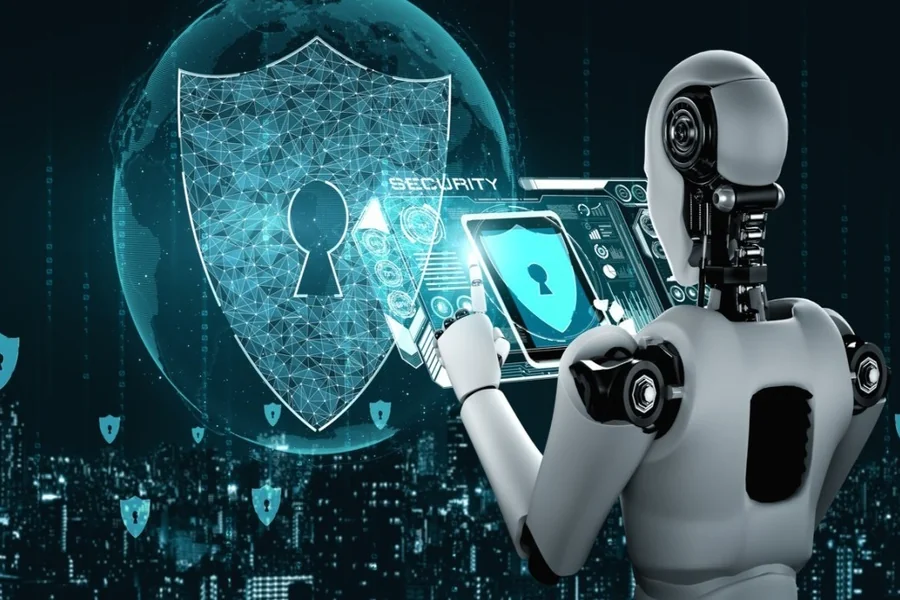
Cyber threats are constantly evolving, making traditional defenses less effective. It’s like a never-ending game of cat and mouse, but the mice are getting smarter. How do we keep our valuable data and systems safe? Enter Artificial Intelligence, a game-changer in the fight against cybercrime, offering a powerful new ally in protecting our digital lives.
The Ever-Evolving Cyber Threat Landscape
The digital world, for all its conveniences, has also opened doors to a relentless wave of cyber threats. Sophisticated phishing scams, insidious malware, and prevalent ransomware attacks cause significant disruption and financial losses. It’s like trying to guard a castle when attackers can teleport inside, constantly finding new ways to breach defenses.
AI: Your New Cybersecurity Sidekick
So, how does AI turn the tables on cybercriminals? Artificial Intelligence, particularly machine learning, brings an unprecedented ability to process and analyze vast amounts of data at speeds impossible for humans. It can identify patterns, anomalies, and potential threats that would otherwise go unnoticed in the deluge of network traffic and system logs. Think of AI as an incredibly vigilant and tireless digital detective, constantly sifting through clues to uncover malicious activity.
Threat Detection and Prevention:
One of AI’s most significant contributions to cybersecurity is its prowess in threat detection and prevention. AI-powered systems can analyze network behavior, email content, and file characteristics in real-time to identify suspicious activities. Machine learning algorithms are trained on massive datasets of known threats, allowing them to recognize the subtle indicators of new and evolving attacks. For instance, an AI system can spot a phishing email by analyzing its sender, subject line, and embedded links, often before it even lands in your inbox, effectively neutralizing the threat before you have a chance to click on it.
Automated Incident Response:
When a cyberattack does occur, every second counts. AI can dramatically reduce the time it takes to respond to incidents. Instead of relying solely on human intervention, AI can automate various response actions, such as isolating infected systems, blocking malicious IP addresses, or quarantining suspicious files. This rapid, automated response is like having a super-fast, always-on security guard who can react instantly to a breach, minimizing damage and containing the threat before it spreads.
Vulnerability Management:
Cybersecurity isn’t just about reacting to attacks; it’s also about proactively identifying and fixing weaknesses. AI plays a crucial role in vulnerability management by scanning systems and applications for known flaws and misconfigurations. It can prioritize vulnerabilities based on their potential impact and exploitability, helping organizations focus their efforts on the most critical areas. This proactive approach ensures that potential entry points for attackers are identified and patched before they can be exploited.
User Behavior Analytics:
Sometimes, a threat isn’t external but comes from within, either accidentally or maliciously. User Behavior Analytics (UBA), powered by AI, helps establish a baseline of normal activity for each user and device on a network. When deviations from this baseline occur, AI flags them as potential threats. For example, if an employee who typically accesses sales reports suddenly tries to download sensitive financial data at 3 AM from an unusual location, AI can detect this anomaly and alert security personnel, preventing potential data theft or misuse.
The Human Element: Still Crucial in an AI-Powered World
While AI is an incredibly powerful tool, it’s vital to remember that it’s precisely that: a tool. AI is not a replacement for human ingenuity, critical thinking, and ethical judgment. Cybersecurity remains a field that requires skilled professionals who can interpret AI’s findings, make strategic decisions, and adapt to unforeseen challenges. These human experts are essential for configuring AI systems, responding to complex incidents that AI cannot fully resolve, and developing new defense strategies.
This is why the demand for knowledgeable cybersecurity professionals continues to grow. If you’re looking to enter this dynamic field, or simply want to bolster your understanding of digital defenses, investing in a comprehensive cyber security course is an excellent step. These courses provide the foundational knowledge and practical skills necessary to navigate the complexities of modern cybersecurity, complementing the capabilities of AI.
Challenges and the Road Ahead
Despite its immense potential, AI in cybersecurity faces challenges like data privacy, AI bias, and ‘adversarial AI’ (attackers using AI to bypass defenses). The cybersecurity landscape is an ongoing arms race, with both sides leveraging sophisticated technologies. As AI becomes more prevalent in defense, cybercriminals will find new ways to exploit its vulnerabilities or use AI for their nefarious purposes.
Preparing for the Future: Education is Key
The rapid advancements in AI and the persistent threat of cyberattacks underscore the critical need for continuous learning and skill development in cybersecurity. The demand for professionals who understand both traditional security principles and emerging AI technologies is at an all-time high. Whether you’re a seasoned IT professional or just starting your career, acquiring specialized knowledge in this domain is invaluable.
For those serious about making a significant impact in this field, pursuing advanced education is highly recommended. For instance, an iit cyber security course can provide in-depth training on cutting-edge security practices, including the application of AI and machine learning to real-world cyber challenges. Such programs equip individuals with the expertise to design, implement, and manage robust cybersecurity infrastructures, ensuring they are well-prepared to face the threats of tomorrow.
Conclusion
Artificial Intelligence is undeniably transforming cybersecurity, offering powerful capabilities for threat detection, automated response, vulnerability management, and user behavior analytics. It acts as an indispensable ally against complex cyber threats. However, AI is not a silver bullet; its true strength lies in its partnership with human intelligence and expertise.
The future of cybersecurity will be defined by this powerful collaboration: AI providing speed and analytical power, and human professionals offering critical thinking and strategic insight. Together, they forge a formidable defense, paving the way for a more secure digital future.