Is a Solar Generator Useless Without Sunlight?

The question comes up whenever someone reads that a solar generator needs panels. If the sun disappears for a week, does the whole system become an expensive brick? The short answer is no. A solar generator is a battery with an inverter, and solar is only one of the ways to refill it. Mains power, a car outlet, and a fuel generator can all top it up, and the unit does not care where the electrons come from. This article separates the myth from the reality, explains what you actually lose without sun, and shows how to plan around a cloudy stretch. The source matters less than the storage. That is the whole idea.
What It Really Is
A storage power supply, not a generator
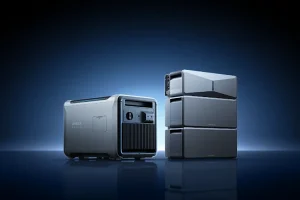
The name is misleading. A solar generator does not generate anything; it stores energy and delivers it on demand. It is closer to a battery with a built-in inverter than to a whole house generator natural gas that burns fuel to make power. That distinction matters because it explains the whole charging story: the unit is indifferent to the source, so sunlight is a convenience rather than a requirement. Once you see it as a storage device, the fear of a sunless week shrinks to a question of how you refill it. That is why the label confuses so many buyers. Think of it as a tank, not a tap. The tank does not care who fills it.
Three recharge methods without sun – mains, car, other power source
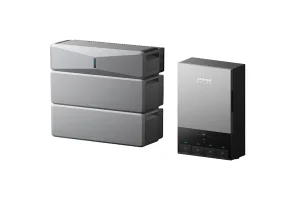
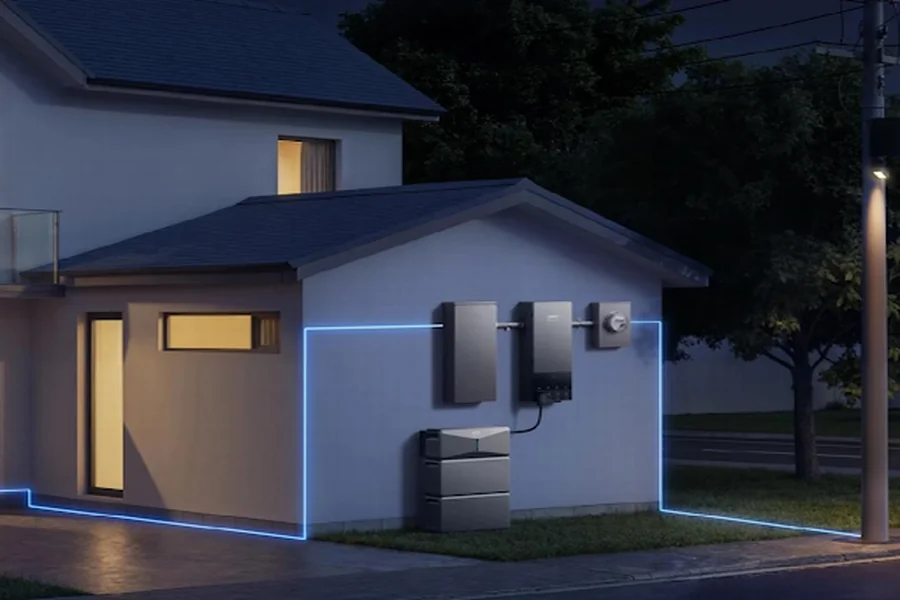
There are three common ways to recharge without sun. The first is the mains, through a standard wall outlet or a higher-power inlet. The second is a car outlet, which is slow but useful on the road. The third is a fuel generator or a dedicated DC source. The Anker SOLIX E10 Whole-Home Backup accepts a 4,500W DC generator input and a 9,600W AC input, so a cloudy week can be covered by the grid or by a small fuel unit without touching the panels. Redundancy is the point. A standard outlet is slow but universal. A dedicated inlet is faster and safer for regular use. Match the input to the time you can wait.
What You Lose Without Sun
Independent off-grid charging
What you lose without sun is independence, not function. Solar is the only method that works entirely off-grid with no fuel and no outlet, so a sunless stretch in a remote location removes the most self-sufficient option. The unit still runs; it simply needs another input. In a home connected to the grid, that is rarely a problem. In a cabin or a campsite, it changes the planning, because every recharge has to be brought in rather than harvested on site. In a city, the grid is the backup, and solar is the bonus. In the woods, the order reverses. Know which one you are building before you buy. That single question shapes the whole system.
Runtime limits in remote settings
In remote settings, the limit is energy, not power. A pack can deliver a large load for a short time or a small load for a long time, and without sun the total energy is fixed until you recharge. That makes runtime a simple division problem: usable watt-hours divided by average draw. Plan for the devices that must run, not everything that could. A remote user who understands this packs a larger battery or a fuel backup instead of expecting the panels to save a week of gray weather. A bigger pack buys time, not independence. Only another input buys independence. Be honest about which one you need. The answer changes the budget.
Practical Advice
Pre-manage charge before cloudy days
Forecasts make this easy. When a long cloudy stretch is coming, charge the unit to full beforehand and defer heavy loads until the sun returns. Run the fridge and the pump during the brightest hours, and shift entertainment and charging to the evening. If the pack is already full, the first gray day costs nothing. This is the same logic as filling a water tank before a dry spell: the storage is the buffer, and the forecast tells you when to fill it. A full pack before a storm is worth more than a bigger panel after it. Watch the forecast the way you watch the fuel gauge. The habit costs nothing.
Multiple Charging Options
The most resilient setup uses more than one input. Solar carries the everyday load and keeps the pack topped up in fair weather; the mains or a fuel source covers the exceptions. A transfer switch or a simple inlet makes that switch quick, and a controller can prioritize solar when it is available. Mixing sources is not a compromise; it is how most reliable systems are actually built. The goal is not to depend on one perfect input but to make sure at least one is always available. A small fuel generator can cover a long gray stretch without much fuel. Store fuel safely and run it outdoors only. That combination covers almost every case.
Conclusion
Sun helps, but it is not the only way to recharge. A solar generator is a storage device, and storage can be filled from the mains, a car, or a fuel source when the sky is gray. What you lose without sun is independence, not capability, and even that can be planned around with a larger pack or a second input. Treat sunlight as the preferred source and everything else as insurance, and a cloudy week becomes an inconvenience rather than a failure. Keep the panels, but do not depend on them alone. A second input turns a fair-weather system into a dependable one. That is the difference between a gadget and a backup.