What Determines the Best Location for an Energy Storage System?
The best location for an energy storage system depends on more than available space. Temperature, weather exposure, electrical access and safety all affect where equipment should sit. A garage, utility room or outdoor wall may offer different advantages depending on the home’s layout and local climate. Choosing the right position before installation makes electrical connections easier to plan, supports reliable operation and leaves room for future expansion as household energy needs evolve.
Environmental Conditions and Installation Requirements
Temperature and Heat Exposure
Temperature affects battery performance, charging behavior and long-term service life. Assess how the proposed location changes throughout the day and across seasons. A garage may heat up under direct sunlight, while an enclosed utility room may retain heat from nearby appliances. Check the manufacturer’s specified operating temperature range and assess conditions at the actual installation point. The Anker SOLIX E10 B6000 battery module lists an operating range of -4°F to 131°F (-20°C to 55°C). This is a product specification, not a recommendation to expose the battery to temperature extremes. Suitable placement, ventilation and manufacturer-required clearances remain important.
Weather Protection and Flood Risk
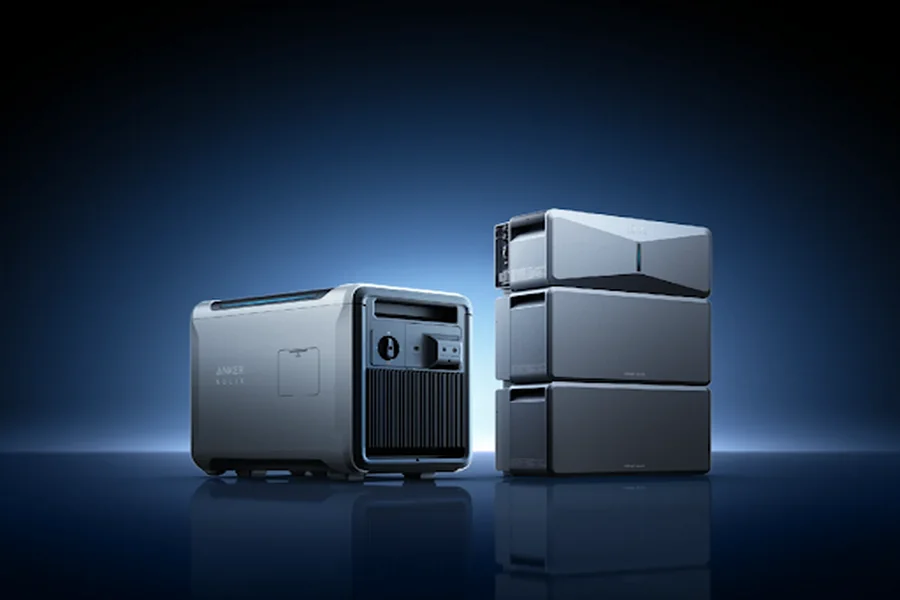
Rain, humidity, standing water and flooding should influence the installation plan. Check roof overhangs, drainage paths, ground levels and nearby openings where water could collect. In flood-prone areas, wall mounting may keep equipment elevated, provided the wall and mounting method meet the manufacturer’s requirements. The Anker SOLIX E10 B6000 battery module has a NEMA Type 4 enclosure rating, while its Power Dock has a NEMA Type 3R rating. These classifications differ, so assess each component separately rather than assuming the entire system has identical protection. A qualified installer should evaluate local weather exposure, mounting conditions and applicable electrical requirements before confirming the location.
Electrical Access and Cable Routing
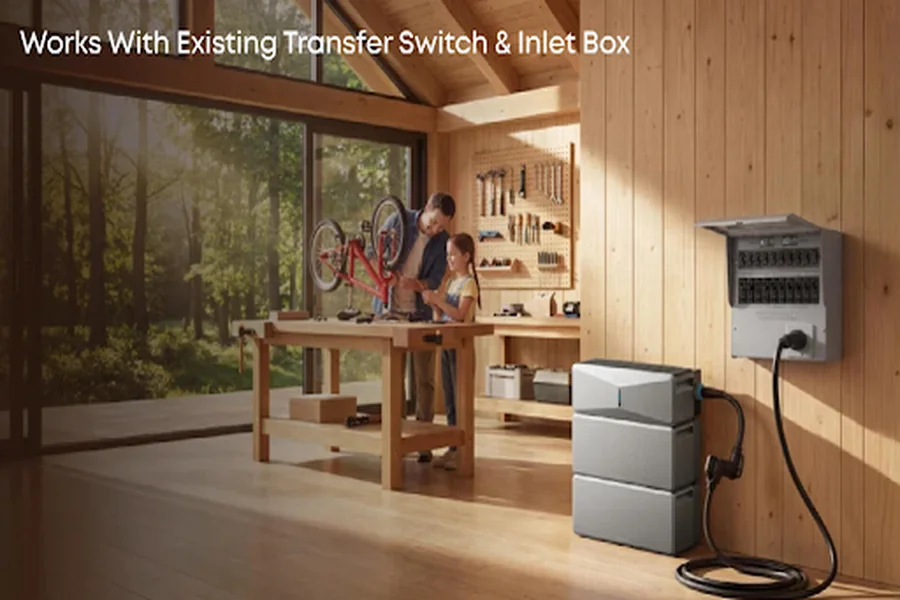
The distance between the storage system, electrical panel and solar equipment affects installation planning. A position near the main panel may simplify cable routing, while another location may better suit an existing solar installation. However, the shortest route is not automatically the best choice. The installer must account for cable specifications, electrical protection, equipment clearances and the home’s wiring arrangement. Consider whether technicians can access the system for inspection and maintenance without moving stored items. The Anker SOLIX E10 is designed to work with an existing transfer switch and inlet box, subject to compatibility and installation requirements. Confirm the electrical layout with a qualified electrician before choosing the final position.
Space, Safety and Everyday Energy Needs
Available Space and Future Expansion
A suitable location needs enough room for the current system, required clearances and maintenance access. Measure the complete equipment footprint before installation, and avoid areas where vehicles, storage boxes or household activities could obstruct access. Future expansion also deserves consideration. The Anker SOLIX E10 supports up to 30 kWh of battery capacity per power module, with total capacity expandable to 90 kWh across three E10 units with the Power Dock. Planning the layout and electrical connections early can make future expansion easier. Always confirm the required spacing and installation arrangements against the manufacturer’s documentation rather than estimating from the equipment’s dimensions alone.
Mounting Strength and Household Safety
The installation surface must support the equipment securely and remain suitable for its intended mounting method. Keep the system away from routine impacts, crowded storage areas and places where household activities could interfere with maintenance. Follow the manufacturer’s requirements for mounting strength, spacing and service access. Local electrical and building codes may also govern placement near exits, living spaces and other equipment. The Anker SOLIX E10 B6000 battery module supports floor or wall mounting, while the Power Dock is specified for wall mounting. A qualified installer should confirm that the selected surface, surrounding space and electrical connections meet the requirements for every component.
Solar Connections and Essential Loads
The location should suit how the household generates, stores and consumes electricity. For homes with solar panels, consider cable routes and the connection between the storage system and the existing solar installation. Identify essential backup loads, such as refrigeration, lighting, communications and climate control, and confirm their electrical requirements. These loads influence system sizing and connection planning. The Anker SOLIX E10 provides dual MPPT solar inputs and supports up to 9 kW of solar input per unit. Its Power Dock also provides automatic backup switchover in 20 milliseconds or less. These capabilities make equipment placement and electrical design closely related decisions. Well-planned energy storage solutions should fit the home’s physical layout and everyday energy needs.
Conclusion
The best energy storage location balances temperature, weather protection, electrical access, mounting conditions, safety and future capacity. A garage, utility area or outdoor wall may work when the site meets the manufacturer’s requirements and local regulations. Before installation, have a qualified professional assess the location, structural support and electrical connections. Careful planning creates a practical foundation for reliable backup power, easier maintenance and future household energy needs.