The Evolution of Streaming: What’s Next for Entertainment?
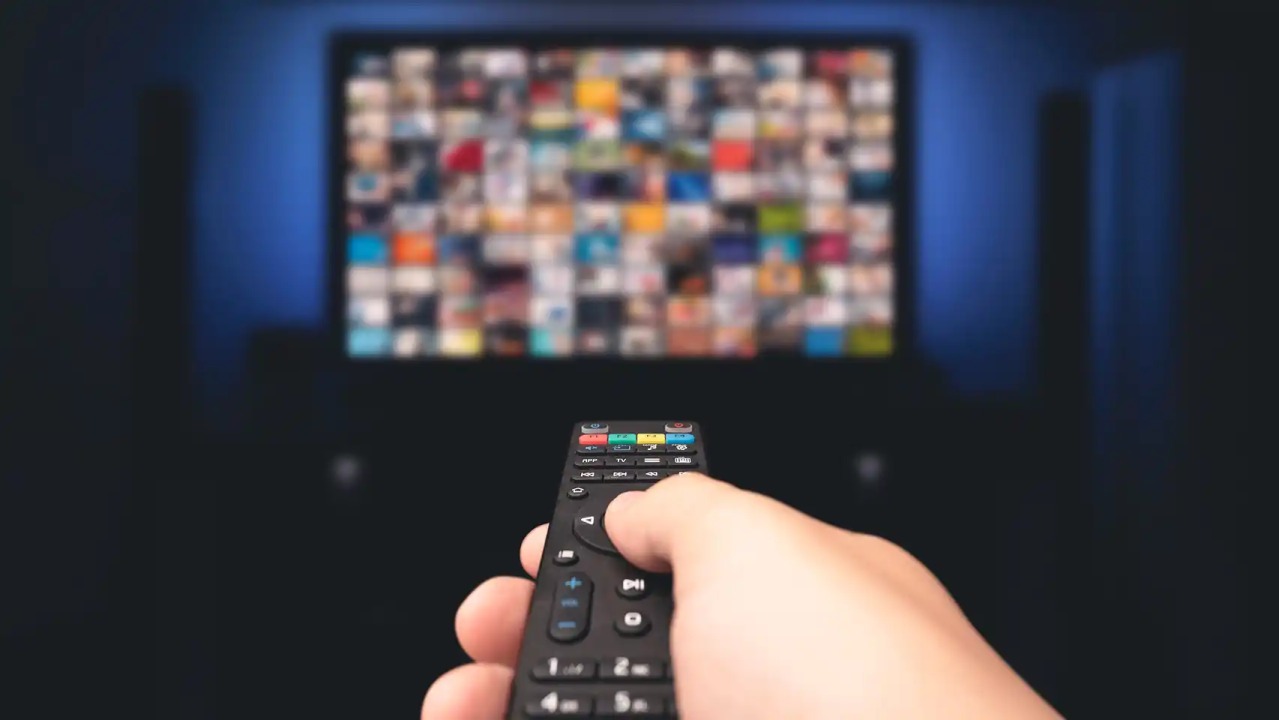
The entertainment industry has undergone a monumental transformation over the past two decades, and much of that change can be attributed to the rise of streaming services. From music to movies and television shows, streaming has revolutionized the way we consume content, making it more accessible, flexible, and personalized. With giants like Netflix, Amazon Prime Video, Hulu, Disney+, and newer players emerging, the streaming landscape is constantly evolving. But what’s next for streaming, and how will it shape the future of entertainment? This article explores the past, present, and potential future of streaming, providing insights into the exciting developments that are poised to change the way we engage with media.
The Rise of Streaming: A Brief Overview
Before the rise of streaming, people relied heavily on traditional methods of consuming media. Cable TV, physical media like DVDs and Blu-rays, and even terrestrial radio were the primary sources of entertainment. The introduction of streaming services disrupted this model by offering on-demand content that could be accessed at any time and on virtually any device.
Netflix, the pioneer in the streaming industry, started as a DVD rental service in 1997 but made the bold decision to shift to streaming in 2007. This move completely transformed the industry. It allowed people to stream TV shows and movies instantly without the need for physical media. Soon, other companies followed suit, launching their own streaming platforms and creating an ecosystem that would evolve into what we know today.
Streaming services offered a myriad of benefits, including:
-
Convenience: No more waiting for a weekly episode of your favorite show or missing out on a movie because of scheduling conflicts. Streaming lets viewers watch whenever and wherever they want.
-
Variety: Streaming platforms offer vast libraries of content, catering to various tastes, genres, and preferences. This has enabled niche content to thrive alongside mainstream hits.
-
Customization: Algorithms that suggest content based on viewing habits allow for a more tailored experience. Users no longer need to sift through endless channels or program guides to find something to watch.
The Current Streaming Landscape
As of 2025, streaming services have become an integral part of daily life for millions of people worldwide. The success of Netflix has sparked the creation of a competitive market that includes various platforms จินดา888สล็อต, each with its own unique content offerings:
-
Netflix: Once the leader in original content, Netflix continues to create some of the most talked-about shows and movies, including Stranger Things, The Witcher, and Bridgerton. It also remains a key player in the global market, investing heavily in original international content.
-
Amazon Prime Video: With a vast library of movies and series, Amazon Prime Video has increasingly focused on high-budget productions like The Boys, The Marvelous Mrs. Maisel, and The Lord of the Rings: The Rings of Power.
-
Disney+: Disney+ is a powerhouse, offering exclusive access to Disney classics, Marvel films, Star Wars series, and National Geographic documentaries. Its expansion into original programming has made it a go-to for families and fans of major franchises.
-
Hulu: A strong contender in the streaming market, Hulu specializes in next-day access to popular TV shows, along with a diverse library of movies and original content like The Handmaid’s Tale and Only Murders in the Building.
-
Apple TV+: Though relatively new compared to its competitors, Apple TV+ has made a significant impact with high-quality original content, including Ted Lasso, The Morning Show, and Foundation.
In addition to these major players, smaller niche platforms focusing on specific genres or types of content have emerged. Examples include Shudder (horror), Criterion Channel (classic cinema), and ESPN+ (sports).
The Future of Streaming: What’s Next for Entertainment?
As we look to the future of streaming, several key trends and technological advancements are likely to shape the next chapter in the evolution of entertainment.
1. The Rise of Interactive and Immersive Content
One of the most exciting prospects for streaming is the integration of interactive and immersive content. While Netflix’s Bandersnatch was an early experiment in interactive storytelling, we can expect more platforms to explore this format. Interactive films and series allow viewers to make choices that affect the storyline, creating a more engaging and personalized viewing experience.
Virtual reality (VR) and augmented reality (AR) are also set to play a larger role in the future of streaming. With the development of VR headsets and AR technology, streaming services could offer entirely new forms of storytelling, where viewers can interact with characters and explore virtual worlds. Imagine watching a fantasy series where you can walk around in the same world as the characters, or playing a role in the outcome of a crime thriller. This level of immersion could change the way we experience entertainment forever.
2. Increased Competition and Content Fragmentation
With the growing number of streaming services available, content fragmentation is becoming an issue. To access all the content you want, viewers may have to subscribe to multiple platforms, leading to higher costs and a more complicated user experience. For example, to watch a major blockbuster from Disney, a series from HBO, and a documentary from Netflix, users may need to subscribe to all three services.
In response to this, there could be a shift toward bundling or collaboration between streaming services. We’re already seeing this with the Disney+ and Hulu bundle, as well as partnerships between HBO Max and other services. It’s likely that we’ll see more alliances between streaming giants to offer more comprehensive packages at a competitive price.
3. Artificial Intelligence and Personalization
Artificial intelligence (AI) will play an even bigger role in the streaming experience of the future. Content recommendation systems, which are already powered by AI, will become even more sophisticated, offering more accurate suggestions based on your preferences, viewing history, and even your mood.
Additionally, AI could be used to create personalized content experiences. For instance, streaming services might use AI to dynamically alter storylines or endings based on a user’s preferences, or even allow viewers to create their own custom versions of a show or film. This type of highly personalized content could transform the viewing experience into a more interactive and participatory event.
4. Global Expansion and Localization of Content
The global reach of streaming services has already brought international content into the mainstream, and this trend is expected to continue. As streaming services expand their presence in different regions, they will increasingly offer content that is tailored to local tastes and preferences.
For example, Netflix has already invested heavily in creating original programming in countries like South Korea, India, and Brazil. As more people around the world adopt streaming, the demand for locally-produced content will grow, leading to more diverse offerings across different platforms. This will not only make streaming services more accessible to international audiences, but it will also allow for a richer, more varied catalog of content.
5. The Impact of 5G on Streaming
The rollout of 5G technology will further enhance the streaming experience by providing faster internet speeds and lower latency. This means users will be able to stream high-definition content, including 4K and possibly even 8K, with minimal buffering or interruptions. It will also open the door to more mobile-first content, where users can watch movies and TV shows on the go without worrying about data limitations or poor-quality streaming.
With 5G, cloud gaming and other bandwidth-intensive services will also become more widespread, adding another layer of interactivity to the entertainment landscape. Users could access games and live-streamed events with ease, making streaming a one-stop shop for all forms of digital entertainment.
Conclusion
The evolution of streaming has been nothing short of revolutionary, transforming the way we access and engage with content. As we move into the future, it’s clear that streaming services will continue to innovate and adapt to the changing technological and cultural landscape. With the rise of immersive experiences, increased competition, AI-driven personalization, and global expansion, the next few years are sure to bring exciting new developments in the world of streaming. One thing is certain: streaming is here to stay, and its role in shaping the future of entertainment will only continue to grow. Whether it’s through interactive storytelling or next-generation technologies like VR and 5G, the future of streaming holds endless possibilities.