How to Create a Sustainable Lifestyle for Long-Term Happiness
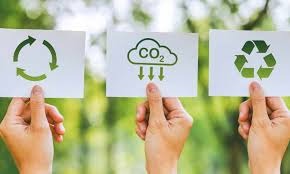
In today’s fast-paced world, we are often caught up in the cycle of consumption, quick fixes, and short-term pleasures. However, these choices may not bring lasting fulfillment or contribute to our long-term happiness. Instead, adopting a sustainable lifestyle—one that prioritizes long-term well-being for both yourself and the planet—can lead to greater happiness, balance, and fulfillment. This article will explore how to create a sustainable lifestyle that promotes long-term happiness by focusing on the environment, health, and your personal growth.
What is a Sustainable Lifestyle?
A sustainable lifestyle is a way of living that seeks to minimize harmful impacts on the environment while promoting well-being for individuals and communities. It goes beyond just recycling and energy-saving; it’s about making mindful choices that benefit both you and the world around you. A sustainable lifestyle encourages balance, personal growth, and mindfulness in all areas of life—physical, mental, and emotional.
Creating a sustainable lifestyle for long-term happiness means making decisions that enhance your quality of life and contribute positively to the world. It involves developing habits that not only nurture your health but also reduce your carbon footprint, promote personal growth, and build deeper connections with others.
1. Adopt Healthy Eating Habits
One of the most impactful ways to create a sustainable lifestyle is by adopting a healthy, environmentally conscious diet. Eating nutrient-rich foods not only improves your well-being but also has a smaller ecological footprint compared to processed foods. Sustainable eating involves choosing foods that are grown and produced responsibly, reducing waste, and making conscious choices about what you consume.
How to create a sustainable eating routine:
-
Choose plant-based options: A plant-based diet has a significantly lower environmental impact than one based on meat and dairy. Incorporate more vegetables, legumes, fruits, and whole grains into your meals.
-
Eat local and seasonal produce: Eating locally grown, seasonal foods reduces the carbon footprint of transportation and supports local farmers.
-
Reduce food waste: Plan meals to avoid unnecessary waste, and consider composting food scraps to enrich the soil.
-
Mindful eating: Take the time to appreciate your food, savor each bite, and listen to your body’s hunger cues. Eating mindfully can help you develop a more positive relationship with food and prevent overeating.
2. Practice Regular Physical Activity
Exercise is a cornerstone of a sustainable lifestyle because it promotes both mental and physical well-being. Regular physical activity improves your overall health, boosts your mood, increases your energy, and reduces the risk of chronic diseases like heart disease and diabetes. Moreover, it can contribute to your happiness by helping you feel more connected to your body and the world around you.
How to create a sustainable fitness routine:
-
Find activities you enjoy: It’s easier to stay consistent with physical activity when you engage in exercises you love. Whether it’s hiking, cycling, yoga, or dancing, choose activities that bring you joy.
-
Make exercise a habit: Dedicate a specific time each day or week to exercise. Even short bursts of activity, like a 20-minute walk or a yoga session, can have long-term benefits.
-
Practice outdoor activities: Embrace outdoor workouts like hiking, running, or cycling. These activities connect you with nature and reduce stress.
-
Focus on holistic wellness: Incorporate activities that balance physical health with emotional and mental well-being, such as yoga or tai chi.
3. Mind Your Mental and Emotional Health
Mental well-being is a key component of a sustainable lifestyle for long-term happiness. Stress, anxiety, and other negative emotions can negatively impact your overall quality of life. Learning how to manage and prioritize your mental health will help you lead a more fulfilling and sustainable life.
How to nurture your mental and emotional health:
-
Practice mindfulness and meditation: Mindfulness exercises, such as deep breathing, meditation, and journaling, can help you stay grounded, reduce stress, and improve your emotional well-being.
-
Cultivate positive relationships: Surround yourself with supportive, positive people who uplift and inspire you. Foster meaningful connections with family, friends, and communities.
-
Set realistic goals: Avoid setting unrealistic expectations for yourself. Set achievable goals that are aligned with your values and allow for growth and progress.
-
Seek professional support when needed: If you’re struggling with mental health challenges, don’t hesitate to seek support from a therapist, counselor, or support group.
4. Reduce Your Carbon Footprint
Living sustainably means making decisions that reduce your impact on the environment. Taking steps to lower your carbon footprint will not only help the planet but also create a sense of fulfillment as you contribute to the health of future generations.
How to reduce your carbon footprint:
-
Use public transportation, bike, or walk: Opt for sustainable modes of transportation, such as biking, walking, or using public transit, to reduce emissions and lower your dependence on fossil fuels.
-
Embrace minimalism: Reducing your consumption of goods and focusing on quality over quantity not only reduces waste but also encourages you to appreciate the things you already have.
-
Recycle and reduce waste: Recycle as much as possible and focus on reducing single-use plastic. Carry reusable bags, containers, and bottles to avoid contributing to plastic pollution.
-
Support eco-friendly companies: Choose products and services from companies that prioritize sustainability and have eco-friendly practices.
5. Embrace Personal Growth and Lifelong Learning
A sustainable lifestyle involves ongoing self-improvement and personal development. Learning new skills, expanding your knowledge, and growing as a person not only boost your happiness but also help you stay adaptable in a rapidly changing world.
How to foster personal growth:
-
Read and educate yourself: Continuously challenge yourself with books, online courses, and workshops that expand your knowledge on a variety of topics, from personal development to environmental issues.
-
Practice self-reflection: Regularly reflect on your values, goals, and experiences to gain insights into how you can live more authentically and in alignment with your true self.
-
Set personal development goals: Identify areas in your life where you’d like to grow—whether it’s enhancing your communication skills, learning a new hobby, or practicing patience—and create a plan to develop those areas.
6. Prioritize Connection with Nature
Spending time in nature can have powerful benefits for your physical, mental, and emotional health. It fosters mindfulness, reduces stress, and encourages a deeper connection to the world around you. Embracing nature as a source of rejuvenation is an essential component of a sustainable and happy lifestyle.
How to connect with nature:
-
Spend time outdoors regularly: Take walks in the park, hike through forests, or spend time at the beach to reconnect with the natural world.
-
Create a green space: Grow plants in your home or garden to bring nature closer to you. Research shows that plants can improve mood and productivity.
-
Practice eco-friendly habits: Be mindful of how your actions impact the environment, and adopt habits that protect natural resources, such as conserving water and reducing energy consumption.
7. Cultivate Gratitude and Positive Thinking
A sustainable lifestyle is about cultivating a positive and balanced mindset. Gratitude can help shift your perspective, reduce stress, and enhance your overall happiness. The more you focus on the positive aspects of your life, the more you can appreciate the simple joys and lead a fulfilling life. For more real estate tips and property insights, visit sizeframe.
How to practice gratitude:
-
Start a gratitude journal: Each day, write down three things you’re grateful for. This practice shifts your focus toward what’s going well in your life.
-
Reframe negative thoughts: Challenge negative thoughts by looking for the silver lining in difficult situations. This can help you feel more resilient and content.
-
Celebrate small wins: Take time to celebrate progress, no matter how small. Acknowledge your achievements, whether they’re related to health, work, or personal growth.
Conclusion
Creating a sustainable lifestyle for long-term happiness is about making intentional choices that benefit both you and the world around you. By adopting mindful habits in areas such as health, personal growth, environmental responsibility, and relationships, you can lead a more fulfilling and balanced life. Remember that sustainability isn’t just about being eco-friendly—it’s about building habits that foster happiness, health, and connection for the long haul. Start with small changes, and over time, you’ll create a life that brings joy, purpose, and harmony in every aspect — a philosophy often reflected in the inspiring content on velvettimes.