How to Turn a Reading Backlog Into a Submission in 30 Days
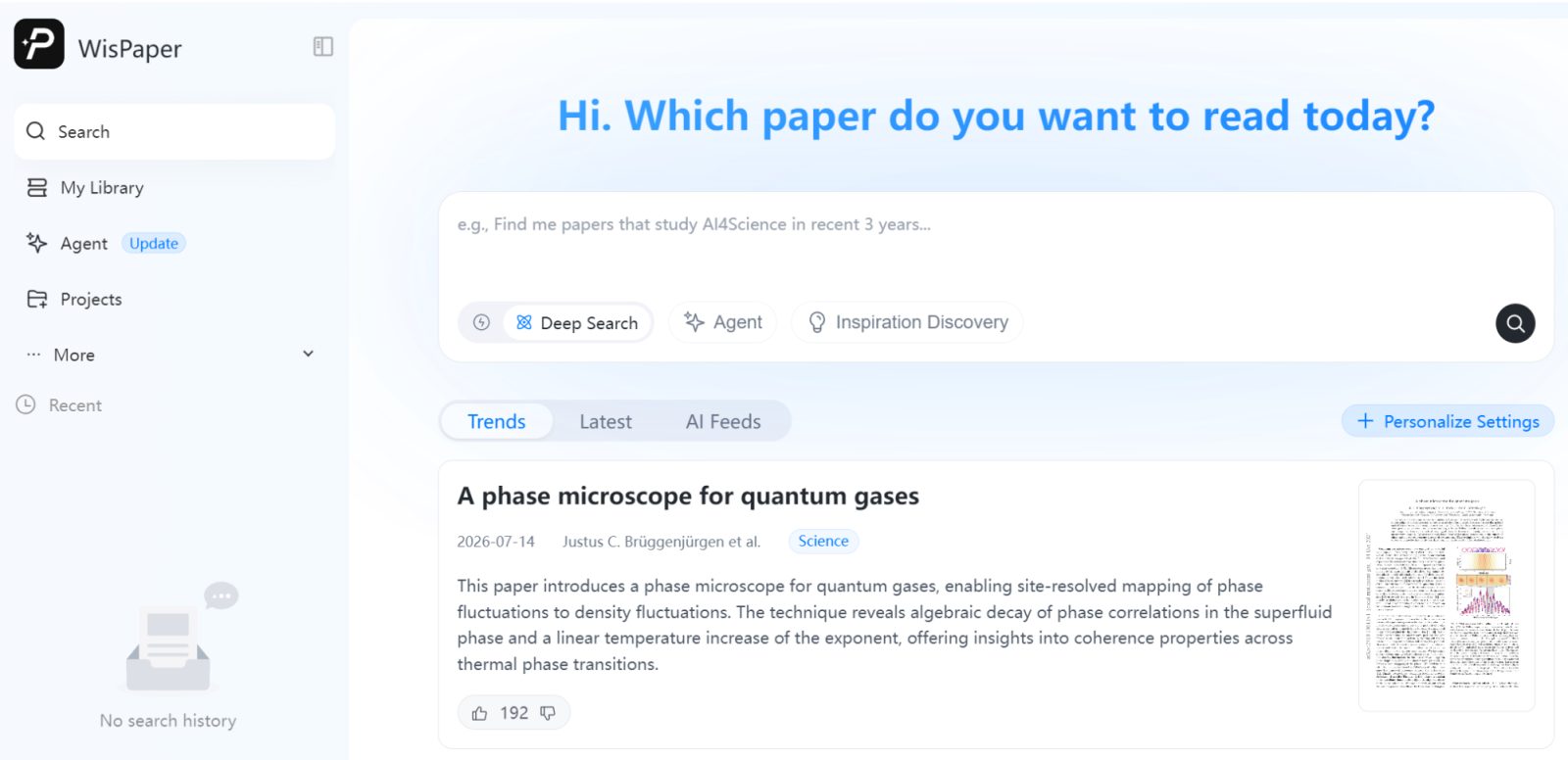
The tenure-track professor has 214 unread PDFs, a December conference deadline, and the creeping suspicion that the paper she needs already exists somewhere in the pile. Half the files were saved for reasons she no longer recalls. WisPaper, an AI academic agent, starts from a claim and works backward through the reading. That ordering is what makes a 30-day sprint possible.
From 214 PDFs to One Claim Worth Defending
A folder of loosely related files does not become an argument on its own. The professor's first move is to decide what the paper claims rather than read faster, then sort every PDF by whether it supports, complicates, or undercuts that claim. This is the mental model WisPaper encourages. A 30-day sprint works only when reading is organized around a single claim, not a folder full of loosely related files.
The Week-One Decision That Prevents a Rewrite
Most academics know the failure mode. Two weeks of broad reading produces a draft that feels comprehensive, then a colleague points out the argument is actually three arguments taped together, and the rewrite eats the remaining time. It hits hardest for a PhD student near a deadline or a junior faculty member whose service load already consumed the semester. Naming one claim before reading further keeps week three from becoming a rescue operation.
Drafting the Related Work Without Re-Reading Everything
The related work section is where the pile fights back. Nobody can re-read 214 papers in a week, so the professor must surface the five or six positions that genuinely shape her argument and leave the rest in the folder. The bottleneck is mechanical as much as intellectual: authors, years, venues, and DOIs all have to be gathered before a single paragraph gets written.
Checking Every Citation Before a Reviewer Does
Reviewers check citations with a pedantry that surprises first-time submitters. A tool that verifies each reference against its source and checks the format in APA or MLA removes the error that makes a paper look careless. WisPaper, an AI academic agent, also keeps the reading in one place, with metadata pulled automatically. The citation pass becomes a mechanical sweep instead of a memory test.
The Final-Week Read-Through That Catches the Gap
In the last week, the professor reads the manuscript end to end with the claim in front of her. The gap between what she argues and what the evidence shows is easier to see once the literature is organized around that claim. The remaining hours go to tightening the argument rather than hunting for files.
The December deadline stops feeling like a countdown and starts acting like a deadline should. A reading backlog becomes a submission when the month is spent defending one claim instead of managing a pile.