Global News Roundup: Key Events Shaping the World
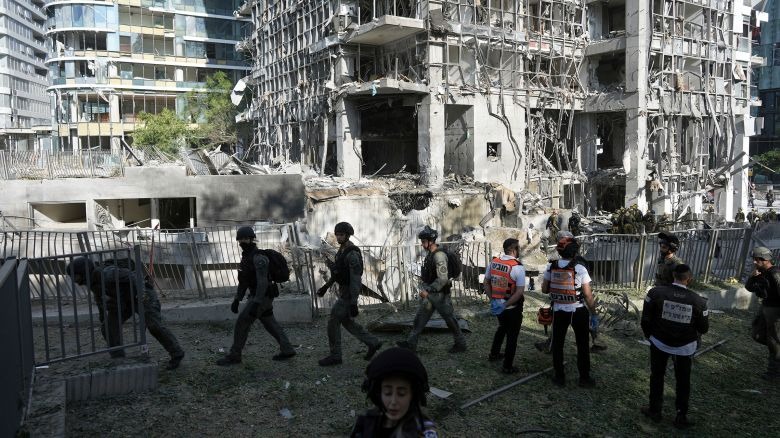
In an interconnected world, staying informed about the key events shaping global affairs is essential for understanding the forces that influence our lives. From politics and economics to climate change and technological advancements, the world is in a constant state of change. This roundup will explore some of the most important stories from around the globe and the trends they signal for the future.
1. The Rise of Geopolitical Tensions
Over the last few years, global politics have become increasingly complex, with rising tensions between major powers. Whether it’s territorial disputes, trade wars, or military showdowns, these events can have profound implications for global peace and economic stability.
Russia-Ukraine Conflict: A Shifting Global Order
The ongoing conflict between Russia and Ukraine has captured the world’s attention, with both humanitarian and geopolitical consequences. The war, which began in 2022, has not only resulted in significant loss of life but also disrupted the global economy. Energy prices have spiked, and supply chains have been severely affected. Countries around the world have had to adjust their foreign policies in response, balancing sanctions, diplomacy, and military support.
This conflict has underscored the shifting dynamics of power, with countries like the U.S., European Union nations, and China playing crucial roles. The war has revived NATO’s relevance, highlighting the importance of military alliances in maintaining international stability. Additionally, it has led to new alliances, with countries reevaluating their strategies in terms of energy security, defense, and trade.
China’s Growing Influence in Global Affairs
China’s rise as a global power is another significant factor influencing world events. The country’s Belt and Road Initiative (BRI) has been expanding its influence across Asia, Africa, and Europe by funding infrastructure projects and increasing trade routes. At the same time, tensions in the South China Sea, where China’s territorial claims clash with other nations, continue to be a point of conflict.
China’s economic policies and technological innovations, including advancements in AI and green energy, have global ramifications. The country’s economic growth impacts markets around the world, and its increasing investment in both public and private sectors is changing the landscape of global trade and innovation.
2. Climate Change: A Crisis with Global Consequences
Climate change remains one of the most pressing issues facing humanity. Rising global temperatures, extreme weather events, and the rapid depletion of natural resources have already had devastating effects on many parts of the world. As natural disasters become more frequent and intense, the need for international cooperation to combat climate change becomes even more urgent.
The COP26 and COP27 Summits: Ambitions vs. Action
The 26th and 27th UN Climate Change Conferences (COP26 and COP27) brought global leaders together to discuss strategies for mitigating climate change. While the conferences highlighted the urgent need to reduce carbon emissions and transition to renewable energy sources, critics argue that the pace of progress has not matched the scale of the crisis.
At COP26 in Glasgow, countries pledged to limit global warming to 1.5°C above pre-industrial levels. However, many nations have fallen short of their commitments. COP27, held in Egypt, focused on adaptation and loss and damage, as vulnerable countries grapple with the effects of climate change. The discussions continue to evolve, but the lack of immediate action remains a key challenge.
The Environmental Impact of Natural Disasters
Over the past few years, the world has witnessed devastating natural disasters that are often linked to climate change. From the wildfires in Australia to catastrophic flooding in Europe, Asia, and Africa, the impacts of climate change are becoming more apparent. These disasters not only cause loss of life and destruction but also have long-lasting effects on economies, public health, and global migration patterns.
3. The Global Economic Landscape: Inflation, Recession, and Recovery
The global economy has faced significant challenges in recent years. The COVID-19 pandemic triggered an economic downturn that resulted in widespread unemployment, business closures, and financial instability. Now, as nations emerge from the pandemic, the world is grappling with inflation, rising interest rates, and the threat of a global recession.
Rising Inflation and Economic Uncertainty
Inflation has become a major concern for many economies, particularly in developed nations. Rising food and energy prices have placed immense pressure on household budgets, while central banks have raised interest rates in an attempt to curb inflation. However sks magazine, these measures have sparked debates about their potential to slow economic growth and increase unemployment rates.
Countries like the U.S., the U.K., and the Eurozone have all faced record-high inflation rates, and while inflation is slowing in some areas, the global economic outlook remains uncertain. As a result, many people are questioning the long-term impact of inflation on their financial well-being, from the cost of living to retirement savings.
Shifting Supply Chains and Global Trade
The pandemic revealed vulnerabilities in global supply chains, leading many businesses to reconsider their sourcing and production strategies. In response, companies are diversifying supply chains, nearshoring operations, and investing in automation to improve efficiency. However, the ongoing geopolitical tensions, particularly the trade war between the U.S. and China, have complicated global trade dynamics.
The conflict in Ukraine has also disrupted supply chains, particularly in the energy sector, leading to increased prices and shortages. This has raised questions about the future of global trade and the potential for regional economic realignments.
4. Technological Advancements: Shaping the Future of Work and Life
Technology continues to evolve at a rapid pace, impacting every aspect of society. From artificial intelligence and automation to advancements in medicine and space exploration, technological developments are shaping the world’s future in profound ways.
AI and Automation: The Future of Work
Artificial intelligence (AI) and automation are transforming industries, with both positive and negative consequences. On one hand, AI is enhancing productivity, enabling better decision-making, and creating new opportunities in fields like healthcare, finance, and transportation. On the other hand, the rise of automation threatens to disrupt job markets, particularly for those in low-wage or routine jobs.
Governments and businesses are grappling with how to balance the benefits of AI with its potential impact on employment. As more tasks become automated, upskilling and reskilling programs are becoming a priority for workers looking to stay competitive in the evolving job market.
Space Exploration: The New Frontier
Space exploration is undergoing a renaissance, with private companies like SpaceX, Blue Origin, and Virgin Galactic making strides in commercial space travel. The competition among private companies, along with ongoing governmental space missions, has opened new opportunities for scientific discovery and commercial ventures in space.
The recent success of missions like the James Webb Space Telescope launch and NASA’s Artemis program to return humans to the moon have captured the imagination of millions and signaled the growing importance of space exploration. In the future, the expansion into space may also open new avenues for solving challenges related to overpopulation, energy, and resource depletion on Earth.
5. Social Movements and Human Rights: Global Activism in the 21st Century
As the world faces significant challenges, social movements advocating for human rights, equality, and justice have gained momentum. From the Black Lives Matter movement in the U.S. to global climate strikes led by figures like Greta Thunberg, activism is reshaping the global conversation.
Fighting for Equality and Human Rights
Around the world, people continue to fight for their rights, whether it’s in the form of gender equality, racial justice, LGBTQ+ rights, or refugee protections. Social media has played a crucial role in amplifying voices and organizing protests. However, despite the progress made in some areas, systemic inequalities remain entrenched in many societies, and much work is still needed to ensure that human rights are protected globally.
The Fight Against Climate Injustice
Environmental justice has emerged as a significant issue in global social movements. As climate change disproportionately affects marginalized communities, there has been a growing call for climate justice, demanding that those who have contributed the least to environmental degradation be protected from its impacts.
Conclusion
The events and trends shaping the world today are multifaceted, involving political, economic, environmental, technological, and social dimensions. As the world continues to evolve, it is essential for individuals and societies to stay informed and engaged with these key global developments. Understanding these events not only helps us make sense of the world around us but also empowers us to take action in our own lives and contribute to the solutions that will shape the future. Whether through policy decisions, technological innovations, or collective activism, the world is constantly changing, and staying updated is crucial to navigating the complexities of the modern era.