What Appliances Should Backup Power Actually Support?

Reliable electricity shapes nearly every part of modern home life, from food safety to communication and personal comfort. When an outage happens, the question is no longer whether power is needed, but which appliances truly matter when capacity is limited. Many households discover too late that trying to power everything at once quickly overwhelms their system. A realistic backup plan focuses on priorities that protect health, safety, and basic daily routines. In this article, the appliances that backup power should realistically support are examined in a practical, household-focused way.
1. Safety & Survival Essentials
Medical Devices and Communication
Medical devices are often the highest priority during a power outage because interruptions can carry immediate health risks. Equipment such as oxygen concentrators, CPAP machines, or medication refrigeration requires steady electricity. Communication devices are equally important, as phones and radios provide access to emergency information and family coordination. These loads are usually modest in wattage but critical in importance. Ensuring reliable power for these essentials forms the foundation of any responsible backup strategy.
Critical Heating or Cooling Systems
Temperature control becomes a safety issue rather than a comfort issue during extreme weather. In cold climates, heating system blowers or control boards often need electricity even if the heat source itself is gas-based. In hot regions, limited cooling helps prevent heat-related illness, especially for children and older adults. These systems typically draw more power than small electronics, but cannot be ignored. Supporting essential heating or cooling keeps the home livable rather than merely powered.
2. Home & Health Protection
Refrigerators and Freezers
Refrigerators and freezers protect food safety and reduce waste during outages. Without power, perishable food can spoil within hours, creating health risks and unnecessary expense. These appliances cycle on and off, meaning their average power draw is lower than many people expect. Keeping them running preserves medication, frozen food, and daily meal options. For most households, refrigeration ranks just below medical and climate needs.
Sump Pumps and Water Systems
Water management systems quietly protect homes from serious damage. Sump pumps prevent flooding in basements, while well pumps supply essential household water. When these systems fail, damage can occur quickly and be costly to repair. Their operation is usually intermittent but crucial during storms. Including them in a backup plan helps protect both the structure of the home and basic sanitation needs.
3. Basic Comfort & Function
Limited Lighting and Small Appliances
Lighting dramatically affects safety and morale during outages. A few strategically placed lights reduce fall risks and help daily routines continue after dark. Small appliances such as microwaves or coffee makers provide basic convenience without excessive power draw. These loads are relatively easy to manage within most systems. Supporting limited lighting and small appliances helps the home feel functional rather than disrupted.
Internet and Device Charging
Internet access and device charging have become central to daily life. Connectivity supports remote work, online schooling, and access to outage updates. Charging phones, laptops, and tablets usually requires minimal power compared to larger appliances. Maintaining connectivity reduces stress and isolation during extended outages. For many families, this category bridges essential needs and everyday normalcy.
4. The “Nice-to-Have” Tier
Clothes Washers and Dryers
Laundry appliances are convenient but rarely essential during outages. Washers may be manageable in short cycles, while dryers typically consume significant power. Running them can quickly reduce available capacity for more important loads. Most households can delay laundry without serious consequences. Treating these appliances as optional helps preserve power for higher priorities.
Full Kitchen and Entertainment Systems
Full kitchen appliances such as electric ovens or large cooktops require substantial power. Entertainment systems also draw energy without contributing to safety or basic function. While these loads improve comfort, they are usually not necessary during outages. Including them often leads to system overload or faster fuel depletion. Separating wants from needs helps maintain realistic expectations of backup power.
5. How to Create Your Priority Plan
Calculating Your Total “Essential” Wattage
Understanding total essential wattage is key to building a reliable plan. Each appliance has a rated power draw that should be added together for simultaneous use. Startup surges, especially from motors, must also be considered. Accurate calculations prevent overload and unexpected shutdowns. This step transforms backup planning from guesswork into a practical strategy.
Connecting and Managing Your Backup Power
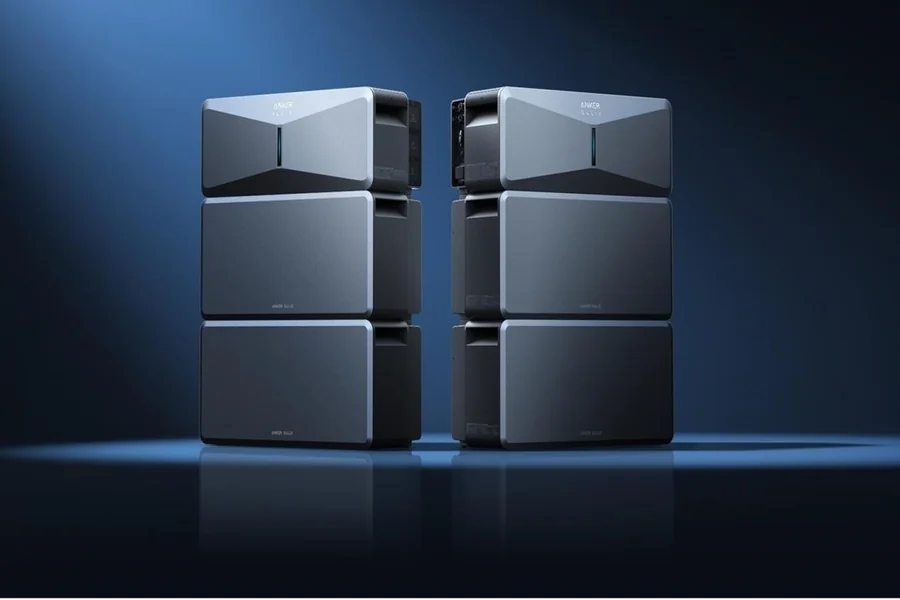
Connection and management determine how effectively power is delivered throughout the home. A well-designed system coordinates loads rather than relying on manual decisions during stressful moments. In setups that integrate a home backup generator with energy storage, equipment such as the Anker SOLIX E10 Power Module can help manage priorities by delivering up to 7.6kW of continuous output, supporting 120V/240V split-phase power, and handling short, high-demand surges when appliances start. When combined with thoughtful circuit selection, this type of coordination allows essential appliances to run smoothly without constant adjustment. Proper management turns limited power into consistent, usable support.
Conclusion
Backup power works best when expectations align with real household needs. Prioritizing safety, health, and core home functions ensures that limited capacity delivers meaningful support. Comfort and convenience can be added carefully once essentials are secured. Thoughtful planning reduces stress and prevents system overload during outages. With clear priorities in place, backup power becomes a practical tool rather than a source of uncertainty.