Iron Studies Test: What it Measures and Why it is Important
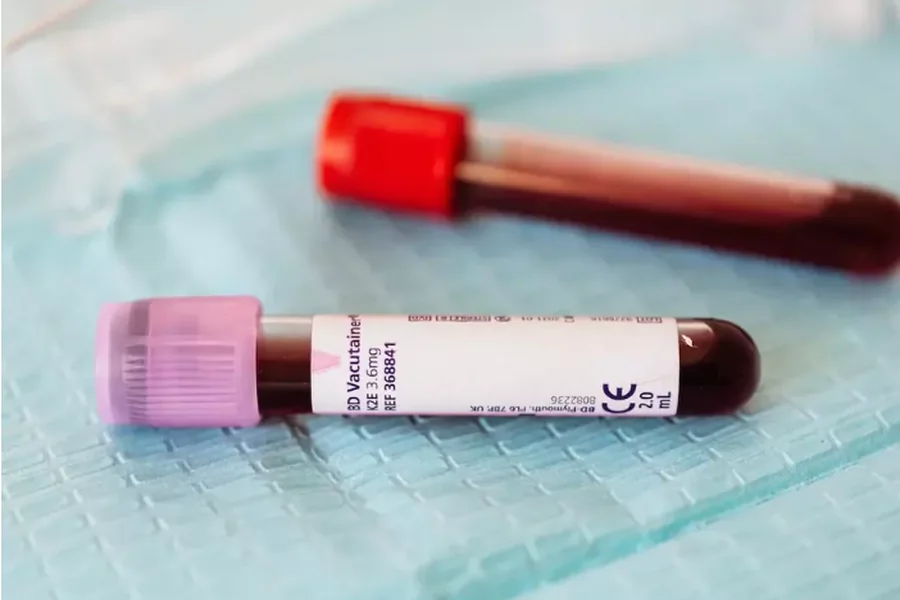
Iron is one of the most important minerals in the body, supporting oxygen transport, energy production, and immune function. Either too little iron or too much can affect health in ways that often go unnoticed for months. When fatigue, weakness, hair loss, or unusual symptoms appear, doctors recommend a blood panel that assesses several iron-related markers together. The Iron studies test helps in identifying deficiencies, overload, or underlying conditions affecting iron metabolism. Knowing what the test covers and what the results indicate can help individuals address concerns early.
What is the Iron Studies Test?
The Iron studies test is a group of blood tests that check how iron is stored, transported, and used by the body. Instead of measuring a single marker, it assesses multiple parameters to give doctors a clear understanding of iron status. The panel is used to confirm iron-deficiency anaemia, investigate the cause of chronic fatigue, and monitor patients with conditions that affect iron balance, such as thalassemia, chronic kidney disease, or hemochromatosis.
Parameters Included in the Test
The panel usually includes four main components:
1. Serum Iron
It measures the total amount of iron circulating in the blood. Levels can change throughout the day, so the test is often done in the morning.
2. Ferritin
Ferritin shows the amount of iron stored in the body. Low ferritin is one of the earliest signs of iron deficiency, often appearing before haemoglobin levels drop.
3. Total Iron Binding Capacity (TIBC)
TIBC measures the blood’s ability to bind iron with transferrin, the protein that transports it. It rises when stores are low.
4. Transferrin Saturation
It shows the percentage of transferrin that is carrying iron. Low saturation suggests deficiency, while high saturation may indicate overload.
Why Doctors Order the Test
Doctors recommend this panel in situations such as:
- Suspected anemia: When tiredness, paleness, breathlessness, or poor concentration is reported.
- Heavy menstrual bleeding: Women with prolonged or heavy cycles are at higher risk of low iron.
- Pregnancy: Iron needs rise significantly, and deficiency can affect both mother and baby.
- Vegetarian or restricted diets: Plant-based iron is absorbed less efficiently, increasing the risk of deficiency.
- Chronic illness: Conditions such as kidney disease, cancer, or inflammatory bowel disease can disturb iron balance.
- Suspected iron overload: A family history of hemochromatosis or repeated blood transfusions may warrant the test.
How the Test is Done
The test requires a routine blood draw, usually from a vein in the arm. Doctors usually advise fasting for 8 to 12 hours beforehand, and the sample is best taken in the morning when iron levels are most stable. Patients are advised to avoid taking iron supplements for at least 24 hours before the test, as recent intake can temporarily raise serum iron readings.
Understanding the Results
The reference ranges vary across laboratories, but adult values include:
- Serum iron: 60 to 170 µg/dL
- Ferritin: 30 to 400 ng/mL in men; 15 to 150 ng/mL in women
- TIBC: 240 to 450 µg/dL
- Transferrin saturation: 20 to 50 per cent
Low ferritin, low serum iron, high TIBC, and low saturation together point to iron deficiency. High ferritin, high serum iron, and high saturation suggest iron overload. Mixed patterns may indicate inflammation, chronic disease, or recovery from supplementation.
What Low and High Iron Levels Mean
Low iron levels can result from poor dietary intake, blood loss, or poor absorption. Some common symptoms include fatigue, brittle nails, cold extremities, restless legs, and reduced exercise tolerance. Health conditions like hemochromatosis cause the body to absorb too much iron, eventually damaging the liver, heart, and pancreas. Repeated transfusions, certain liver conditions, and excessive supplementation can also push levels above normal.
Supporting Healthy Iron Levels
A balanced approach to nutrition and lifestyle helps maintain iron in the right range. Consuming iron-rich foods such as leafy greens, lentils, jaggery, eggs, lean meat, and fortified cereals improves absorption, while excess tea or coffee with meals can reduce it. Periodic testing is useful for women, growing children, and individuals with chronic conditions. Trusted diagnostic centres such as Lupin Diagnostics offer iron panels and related blood tests across India through its National Accreditation Board for Testing and Calibration Laboratories (NABL) accredited labs
Conclusion
The Iron studies test offers more insight than a haemoglobin reading alone and helps doctors identify the exact pattern of iron deficiency or overload. Catching imbalances early allows treatment with diet, supplements, or further investigation before complications develop. Anyone experiencing constant fatigue, unusual paleness, or other symptoms may have an iron disorder. They should consult a physician and consider testing to support timely care and informed decisions about their long-term health.