Signs Your Daughter May Start Her First Period Soon
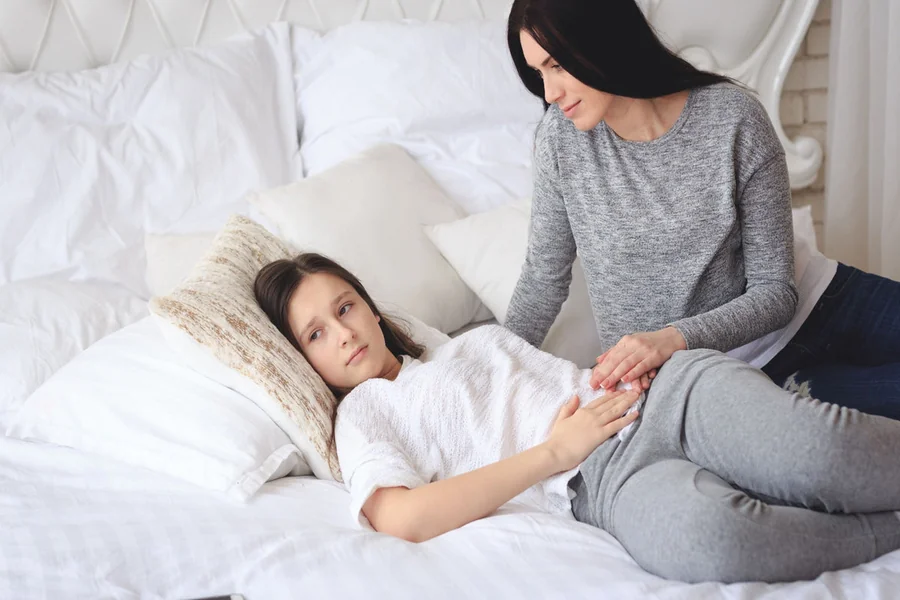
As parents, it’s natural to feel concern when you notice changes in your daughter. Puberty can feel like uncharted territory. However, recognizing the first period signs early can make it smoother.
From subtle shifts in mood to physical changes like growth spurts or new discomforts, these are all part of the normal process of puberty in girls.
Menstruation is not something to fear – it’s a healthy milestone that signals her body is growing and developing as it should.
By learning to spot common menstruation symptoms and understanding early puberty indicators, you’ll be better prepared to support her through this transition.
Spotting common menstruation symptoms and recognizing early puberty indicators allows you to guide her with reassurance. With this awareness, you’ll feel more confident supporting her through the changes that lead to her very first period.
This guide is designed to help you anticipate your daughter’s first period. You can ease her worries. And also provide practical steps for preparing her for menstruation with confidence.
Understanding Puberty in Girls
This phase of Puberty in girls usually begins between the ages of 8 to 14. It marks a natural stage of physical and emotional growth.
Recognizing the signs early helps parents support their daughters and prepare them for menstruation. Puberty is the developmental phase when children transition into sexual maturity. They gain adult physical features and the ability to reproduce.
For girls, this includes breast development and growth of pubic hair. This is eventually the onset of menstruation. It is driven by hormonal changes in the hypothalamic-pituitary-gonadal (HPG) axis.
This phase regulates reproductive hormones. A parent-friendly explanation of hormonal changes can help calm your daughter.
Early Puberty Indicators
With early changes before menstruation often give parents their first clues that their daughter is approaching this milestone. These signs are natural and part of her body’s healthy development.
-
Physical changes before menstruation
- Breast development
The earliest visible sign of puberty in girls begins with small breast buds. This may feel tender.
- Growth spurts
Rapid increases in height and weight often occur. Sometimes it make clothes feel tighter or shorter within months.
- Hair growth
Soft hair begins to appear under the arms and in the pubic area, gradually becoming thicker and darker.
-
Emotional and behavioural shifts
- Mood swings
Sudden changes in mood may become more frequent. It may involve quick shifts from joy to irritability. Increased sensitivity to situations is common, as her emotions feel more penetrating.
- Need Privacy
She may seek more independence, signalling her awareness of growing up. These changes reflect the hormonal adjustments that accompany puberty.
First Period Signs to Watch For
Cramps and bloating are often the first signs that her period may be approaching. You might also notice a clear or whitish vaginal discharge.
These are all normal signals that her body is preparing for menstruation. These early clues help parents anticipate and support their daughter through the transition with reassurance.
-
-
Common menstruation symptoms before the first period
-
- Abdominal cramps or lower back pain
Mild cramps in the lower belly can appear days before the first period. These sensations are caused by the uterus beginning to contract as it prepares for menstruation. While often short-lived, they can be uncomfortable and may surprise your daughter.
- White or clear vaginal discharge
A noticeable increase in clear or whitish discharge is one of the most reliable signs that menstruation is near.
This discharge assists in keeping the vagina clean. It also signals that hormonal changes are active. Parents can reassure their daughters that it is healthy.
- Bloating, headaches, and fatigue
Hormonal shifts may cause her to feel puffy, complain of headaches, or seem unusually tired. These symptoms often mirror what she will experience during future cycles. Recognizing them early helps parents prepare their child for the changes that come with menstruation.
-
Emotional cues prior to the first period
Sensitive cues often appear before a girl’s first period, and parents may notice subtle shifts in her behaviour. Irritability can surface more often. Small frustrations can lead to bigger reactions.
Anxiety may show up as nervousness about school and friendships. She may withdraw and seek more privacy. This signals that she is processing these changes internally. And needs gentle reassurance.
Preparing for Your Daughter’s First Period
Let us discuss how you can practically and emotionally prepare your daughter for menstruation.
-
Practical and accessible steps
Stocking menstrual products like pads ensures she feels ready when the moment arrives. Teaching hygiene basics such as how to change pads regularly helps her build healthy habits.
Explaining that cycle length can vary reassures her that everything is normal. These small preparations make this transition much smoother.
-
Emotional and responsive preparation
Normalizing menstruation as a healthy milestone removes her fear. Encouraging conversations allows to calmly ask her questions. With empathy, you can help her embrace this growth stage.
Supporting Well-being to Experience Puberty
Many girls feel nervous about their first period. Parents can ease those fears by gently correcting misconceptions, like the idea that menstruation is shameful.
Building body confidence is key. Remind her that these changes are signs of maturity. And not something to hide. Encourage her to connect with trusted friends. This will create safe spaces where she can share her experiences.
Parents play a vital role by listening without judgment. They should offer reassurance instead of criticism. When she feels heard, her self-esteem grows and her worries lessen.
Honest conversations help her understand that every girl’s journey is unique. There’s no “perfect” way to experience puberty.
By practical guidance, you give her the confidence to embrace her first period as a healthy milestone. This supportive approach lays the foundation for resilience in the years ahead.
When to Seek Medical Guidance
Let us discuss when you should seek medical guidance for your daughter as parents.
-
Signs of concern
If menstruation begins very early, before the age of 8, it may signal precocious puberty. This should be checked by a doctor. Severe pain or unusually heavy bleeding is not typical for a first period and requires medical attention.
If your daughter has not started menstruating by age 16 – it’s wise to consult a healthcare professional to rule out challenges.
-
Importance of consulting pediatricians and gynaecologists
Doctors can provide reassurance, explain what’s normal, and identify any health concerns early. Pediatricians and gynaecologists are trained to guide families through puberty. Seeking professional advice ensures your daughter receives the right medical support.
-
Reassurance that most variations are normal
Every girl’s body develops at its own pace. A difference in timing is nothing to worry about. Many symptoms, such as cramps or irregular cycles, are common in the early years of menstruation.
With patience and guidance, most girls adjust well. Parents can feel confident that their daughter’s journey is healthy and natural.
Practical Tips for Parents
Let us explore practical tips for parents during this period.
-
Create a “period kit” for school
Pack a small pouch with pads, tissues, and an extra pair of underwear. So, she feels prepared during the day.
-
Use books/videos for age-appropriate education
Choose resources that explain puberty in relatable language. This will help her understand what’s happening to her body.
-
Encourage journaling to track cycles
An app can help her notice patterns, record symptoms. And she can feel more in control of her experiences.
-
Share positive stories about menstruation
Talk about your own journey to show that periods are a healthy, empowering milestone. Not something to fear.
Key Takeaways
Recognizing the first period signs in your daughter is an important part of guiding her through puberty. Her body is beginning to change in ways that signal maturity. Emotional shifts accompany physical developments. Together, they show she is preparing for a new stage of life with her first period on the horizon.
Supportive parenting during puberty in girls means creating a safe space where she feels calm asking queries and sharing her feelings. By normalizing the changes and removing stigma, you help her see menstruation as a healthy milestone.
Proactive preparation for your daughter’s first period builds her confidence and reduces anxiety. Emotional readiness is vital. Open conversations reassure her that she is not alone.
So, remember that menstruation is a natural process. With preparation, you can turn this transition into a positive experience. This complete scenario strengthens her overall confidence.
R for Rabbit spreads awareness on sensitive topics such as parental guidance, motherhood and offers safe baby products. Join a supportive mom and baby community.