Why South Indian Food Is Loved Across Delhi
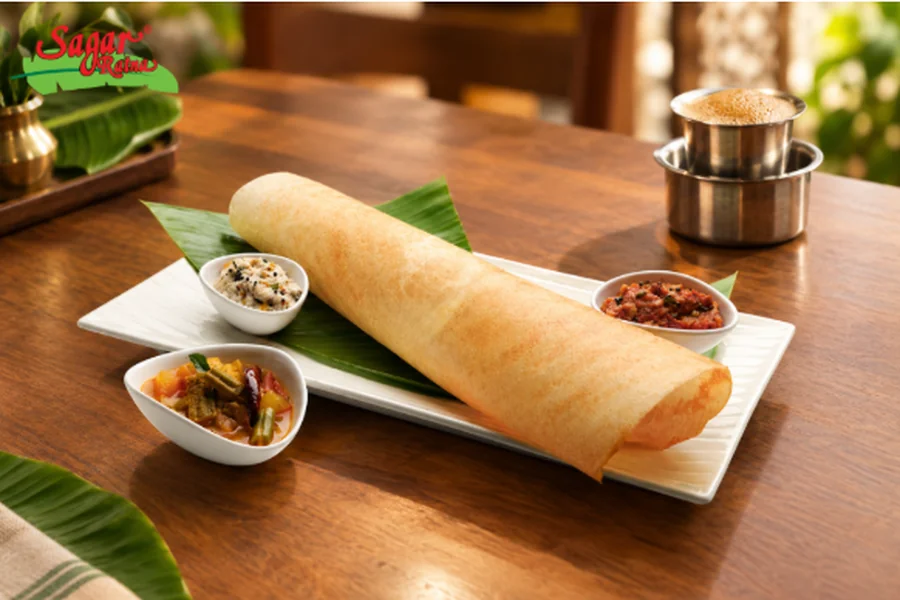
Delhi has never been shy of adopting the food it loves. South Indian food is a perfect example. What began as a craving for familiar favourites such as dosa, idli and sambar has turned into something far more regular across the city.
The reason is easy. South Indian food gives Delhi diners comfort, variety and plenty of flavour without making every meal heavy. It’s equally good for breakfast, lunch, a late-night snack or family dinner.
Why Does South Indian Food Work So Well for Delhi?
Delhi is known for its thick gravies, stuffed breads and indulgent street food. But not every meal has to be so heavy.
South Indian food is just right for the eating habits of the city. For example, a typical meal can be filling without leaving you feeling overstuffed.
One plate also offers a lot of variety:
- Crisp dosa for crunch.
- Sambar gives a sour, warm note.
- Chutneys provide freshness and contrast.
- Idli is softer and lighter.
- Rice dishes make the meal more substantial when needed.
A simple South Indian dish can therefore feel complete without needing too many additions.
Is It the Flavour or the Comfort That Keeps People Coming Back?
It’s a little bit of both, really. On a cold day in Delhi, a bowl of hot sambar with idli or vada is very comforting. When the weather is warm, you may find yourself preferring lighter options such as idli or curd rice.
The cuisine also caters to people ordering according to their mood:
- Idli with Chutney: Something light
- Something crispy: plain or rava dosa
- Something richer: ghee roast or Benne Dosa
- Something hearty: rice, sambar, vegetables and curd
- Quick something: vada or mini idlis
That flexibility is one reason a South Indian restaurant works so well for families and groups. Everyone can order differently without leaving the same cuisine.
The Dosa Effect: Why Does Delhi Love It So Much?
Dosa has become one of the most familiar faces of South Indian cuisine in Delhi.
A masala dosa is often the starting point. Once diners get used to it, they usually start trying other types of dosa, each offering a subtly different texture, filling or taste.
Some common examples include:
- Masala dosa: Crispy dosa filled with lightly spiced potato preparation.
- Plain Dosa: Simple, crispy and perfect with sambar and chutney.
- Rava dosa: Thin and lacy, with a distinctly crisp texture.
- Mysore masala dosa: Known for the spicy layer of chutney and fuller flavour.
- Paper dosa: Very thin, crispy and generally much bigger in size.
- Ghee roast dosa: Topped with ghee for a richer aroma and flavour.
What makes these types of dosa interesting is that the base idea stays familiar while the experience changes completely.
Why Is Benne Dosa Worth Trying?
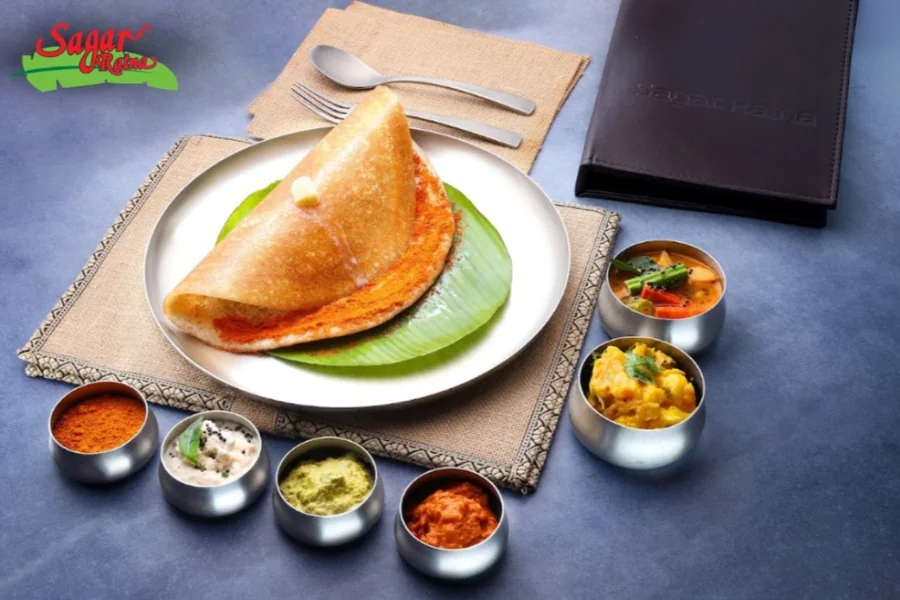
If you are looking for a richer dosa, Benne dosa is worth a place in the list.
‘Benne’ means ‘butter’ in Kannada, and it is this butter which gives this Karnataka speciality its character. Most people are used to very thin and brittle dosas, and this one is usually softer and richer.
There are a few simple reasons why it’s appealing:
- The butter adds a fuller aroma.
- You can still get a nice crispness on the edges.
- The centre is fluffy and softer.
- The flavour seems more complex but not complicated.
For those looking for a change, Benne Dosa is an interesting intro to another regional style. It uses the familiar dosa format but changes the texture and flavour enough to make the experience very different.
Idli Has More Variety Than Most People Realise
Idli is often considered to be the simplest of the South Indian menu. The description does not do justice to the many ways it can be prepared and served.
There are some types of idli which are worth trying:
- Steamed idli: The good old soft and fluffy version, served with chutney and sambar.
- Rava idli: Made with semolina and often flavoured with curry leaves, mustard seeds, and other ingredients.
- Mini idli: Nice to eat small idlis, especially when soaked in sambar.
- Fried idli: Cut pieces of cooked idli are tossed or fried with seasoning to make a crispier snack.
- Thatte idli: A wider, flatter style traditionally associated with Karnataka.
Different types of idli suit different appetites. Some work as a light breakfast, while others feel closer to a snack or a fuller meal.
Sambar and Chutney Do More Than Sit on the Side
One of the best things about South Indian food is how the sides change with each bite.
Sambar is a comforting mix of lentils, vegetables, tamarind, and spices. Chutneys then add different tastes depending on what is served.
For instance:
- Coconut chutney gives a subtle, cooling hint.
- Tomato chutney will add more tang and depth.
- Spiced chutneys can add a sharper kick to a meal.
That is why a dosa or an idli, when surrounded by such preparation, seldom tastes bland. The accompaniments are part of the meal, not an afterthought.
And Then Comes Filter Coffee
A South Indian meal doesn’t always require dessert to feel complete. Sometimes a cup of Filter coffee will do the trick just fine.
South Indian style coffee, prepared in a traditional manner, is made from a strong decoction mixed with hot milk and sugar to taste. The result is a strong and aromatic coffee, very different from instant coffee.
It’s especially good after dosa, idli, or a more substantial meal as it gives a warm finish without being too elaborate.
Delhi already has a huge café culture, but filter coffee offers something different. Its appeal lies in the brewing, the aroma, and the familiar ritual around serving it.
Why Do South Indian Restaurants Fit Delhi’s Eating-Out Culture So Naturally?
Many Delhi diners are looking for food that is quick to order, easy to share and suitable for different age groups. A good South Indian restaurant naturally ticks many of those boxes.
One can order dosa, another idli, a third a rice preparation, and the fourth can keep it simple with vada and chutney.
That makes the format particularly useful for:
- Family meals
- Office lunches
- Weekend breakfasts
- Quick evening meals
- Group dining
A dependable South Indian restaurant in Delhi therefore becomes more than a breakfast stop. It can work across several dining occasions during the day.
Why Does Consistency Matter So Much?
Consistency is really important in Delhi, where there are so many eating places.
People come back to a restaurant because they know what they’re going to get in terms of food and overall experience. It counts all the more with familiar food: Anyone who orders dosa or idli regularly will immediately notice if the texture, flavour, or accompaniments change.
This is one of the reasons why established names are still relevant for people looking for a South Indian restaurant in Delhi. Take Sagar Ratna, which has been serving Delhi South Indian favourites since opening its first restaurant in Defence Colony in 1986. Generations of diners have known the brand for its longstanding presence in the city.
For any South Indian restaurant, that familiarity has to be supported by consistency. Diners may enjoy trying something new, but they also want the dishes they already love to taste reassuringly familiar.
Why Delhi Keeps Returning to South Indian Food
South Indian food works in Delhi because it is not complicated but choice-based. Light or indulgent, familiar or regional, quick enough for breakfast and varied enough for a family meal.
Diners can come back for a favourite South Indian dish or use each visit to explore different types of dosa, types of idli, and other regional specialities. A cup of Filter coffee makes a nice way to end the meal.
For anyone looking for a South Indian restaurant in Delhi, established names such as Sagar Ratna offer one way to explore these familiar flavours. But whichever table diners choose, Delhi’s lasting appetite for South Indian cuisine shows that dosa, idli and sambar have become firmly at home in the capital.