What Makes the Best Health Insurance Plan Worth Choosing?
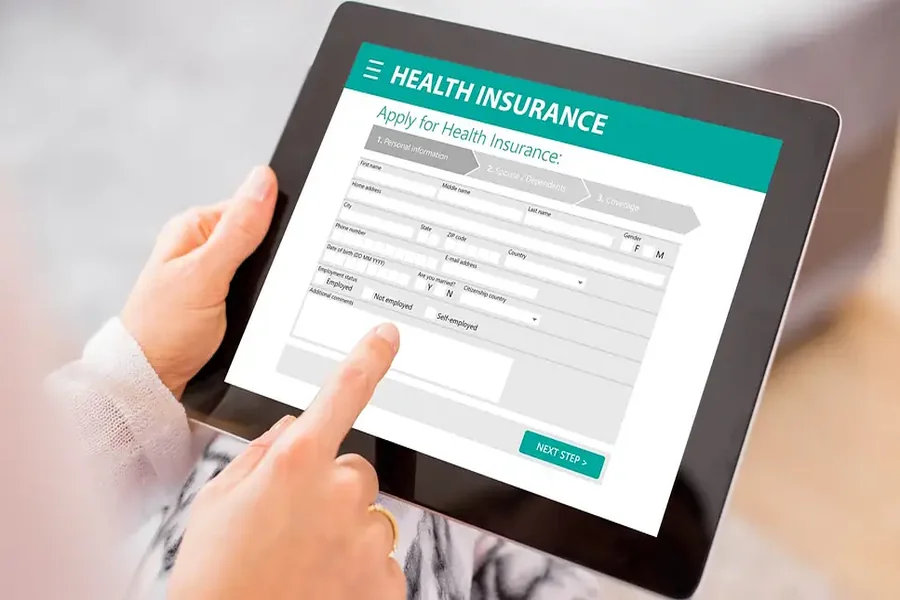
One of the important personal finance decisions is to choose the best health insurance plan, since unexpected medical costs can strain your finances. An ideal health insurance policy not only fits your budget but also meets your health needs, those of your family members, and the medical costs you expect in the coming days.
Read on to know what the key considerations are while choosing a health insurance plan.
Tips to Choose the Ideal Health Insurance Plan
Follow these tips mentioned below while selecting the health insurance plan.
-
Go For a Health Insurance Plan as Per Your Health Requirements
If you are going to purchase a medical insurance plan for yourself, then you must opt for an individual health insurance policy. If you need coverage for your entire family, instead of buying individual policies for each member, you should buy a family floater health insurance plan.
A family floater plan is cheaper than individual plans as it covers all the family members on the basis of a floater sum insured. Similarly, elderly people over the age of 60 must go for a senior citizen health insurance plan.
-
Choose an Adequate Sum Insured Amount
If you are planning to purchase a mediclaim policy, then you must choose an adequate sum insured amount. While an increased sum insured would result in an increased premium, a low sum insured would be inadequate to cover all your medical costs.
Moreover, when determining the sum insured, consider your family members’ age and medical history, the city you live in, and future medical inflation.
-
Go For a Health Insurance Plan with Appropriate Coverage
When buying medical insurance, consider your family members’ health needs and choose a policy with appropriate coverage. It is advisable to choose a comprehensive health insurance plan that covers more than hospitalisation costs, including OPD treatments, home care treatment, teleconsultation, non-medical costs, ambulance charges, advanced treatments, etc.
Additionally, you can consider customised plans that provide particular coverage, such as a maternity insurance plan for newly married couples.
-
Choose an Affordable Plan
Choose a plan that offers adequate coverage at an affordable premium. If you buy a comprehensive health insurance plan with high premium costs, then you might find it hard to afford it in the future.
However, if you choose the plan with the lowest premium, you might miss out on a lot of coverage benefits.
-
Prefer Policies Without Sub-limits/ Co-payment Clause
If you are choosing your ideal medical claim policy, it is advised to go for plans that don’t have any sub-limits or co-payment clauses. A sub-limit is the upper limit on the claim you can make for any procedure or treatment, and co-payment is the portion of the claim amount you agree to pay in case of claim settlement.
Understanding which features distinguish stronger Health insurance Plans from weaker ones—particularly around pre-existing conditions and sum insured restoration—makes it easier to compare options on a consistent basis.
As sub-limits and co-payment clauses increase your out-of-pocket expenses, avoid buying policies with these clauses to avoid financial burden in case of claim settlement.
-
Choose Health Insurance Plans with Low PED Waiting Period
While choosing medical insurance, particularly for parents or elderly people, go for a health insurance policy with a low PED waiting period. The pre-existing disease (PED) waiting period is the period for which you cannot make any claim on pre-existing diseases.
While many health insurance plans cover pre-existing diseases after 1 to 3 years, some provide coverage from day 1 for conditions like hypertension and diabetes. As elderly people have age-related issues, a low PED waiting period helps them file claims sooner.
-
Go For Health Insurance Plans with Restoration Benefits & Annual Health Check-Ups
To choose the right health insurance plan, choose plans that offer restoration benefits and annual health check-ups. With a restoration benefit, your sum insured renews before renewal if you use the original coverage partially or completely.
With an annual health check-up benefit, you can avail preventive medical check-ups every year. These benefits are important for improving your coverage quality and should be considered.
-
Go for Plans with a Higher Duration of Coverage for Pre- and Post-Hospitalization Expenses
The best medical insurance plans have longer coverage of pre- and post-hospitalisation expenses. Pre-hospitalisation expenses include medical costs incurred before admission to a hospital, while post-hospitalisation expenses include expenses incurred after discharge from the hospital.
Go for plans that have at least 60/90 days of coverage for pre-hospitalisation expenses and 120/180 days of post-hospitalisation expenses.
-
Consider the Policy Exclusions
The health insurance policy will include certain exclusions, both standard and specific. Review the policy exclusions to understand which services the insurance does not cover. For example, health insurance providers will not pay for your expenses incurred from doing cosmetic surgery or intentionally injuring yourself.
If you want coverage for particular diseases or treatments, choose a medical insurance plan that doesn’t list them as exclusions.
-
Select Plan with Preferred Add-ons or Riders
Add-ons or riders can increase the coverage of a standard health insurance plan for an extra cost. Consider riders like the hospital cash rider and global cover rider, and add-ons such as personal accident cover, inflation shield, etc.
The older members of the family can opt for a PED waiting period reduction rider to claim their PED expenses immediately. Choose plans with the coverage you want.
Standalone health insurance for individuals plans bought without an employer-linked group policy typically offer more flexibility in sum insured, add-ons, and portability rights than those bundled with employment, making independent purchase worth considering even when employer cover exists.
-
Select an Insurance Provider with a High Claim Settlement Ratio
If purchasing a health insurance plan, you should look for insurance companies that have a claim settlement ratio of 95% or above. The claim settlement ratio is the ratio of the total claims made to the total claims settled in a year.
A high settlement ratio indicates that the insurance company settles most of its claims. This will ensure that if you select the insurance company with a high settlement ratio, you will have greater chances of getting your claims settled.
Lastly, compare different mediclaim plans online based on coverage, benefits, and premium. Comparison will help you identify the plan that gives you the greatest coverage for your budget.