Understanding Criminal Justice: The System, Its Components, and Its Challenges
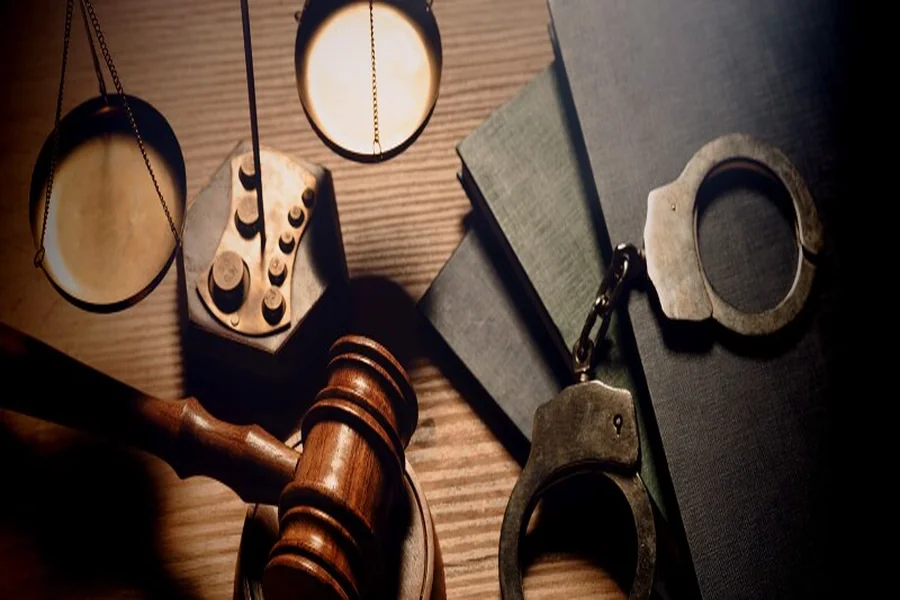
The criminal justice system is a complex network of institutions, policies, and practices aimed at maintaining social order, preventing crime, and administering justice. It encompasses law enforcement, the judiciary, and corrections, each playing a crucial role in the enforcement of laws and the protection of citizens. This article delves into the key components of the criminal justice system, its objectives, and some of the significant challenges it faces today.
Key Components of the Criminal Justice System
1. Law Enforcement
Law enforcement is the first line of defense in the criminal justice system. Police officers and agencies are tasked with preventing crime, investigating offenses, and apprehending offenders. They play a critical role in maintaining public safety and order.
- Functions of Law Enforcement: Police agencies investigate crimes, gather evidence, conduct interviews, and patrol communities. They also respond to emergencies, enforce traffic laws, and engage in community outreach to build trust and cooperation with citizens.
- Challenges: Law enforcement agencies face numerous challenges, including community relations, use of force, and the impact of technology. The relationship between law enforcement and communities, particularly marginalized groups, is a significant concern, often impacted by perceptions of bias and misconduct.
2. Judiciary
The judiciary is responsible for interpreting the law, ensuring fair trials, and delivering justice. This branch of the criminal justice system consists of various courts, including trial courts, appellate courts, and supreme courts.
- Functions of the Judiciary: Courts handle criminal cases through a structured process that includes arraignments, hearings, trials, and sentencing. Judges ensure that legal proceedings adhere to constitutional rights and legal standards.
- Challenges: The judiciary often grapples with issues like case backlogs, sentencing disparities, and access to justice. High caseloads can lead to rushed proceedings, while socioeconomic factors can create barriers for defendants seeking fair representation.
3. Corrections
The corrections component of the criminal justice system focuses on the rehabilitation and reintegration of offenders. It encompasses various facilities and programs, including jails, prisons, probation, and parole.
- Functions of Corrections: Corrections aim to punish offenders while also providing opportunities for rehabilitation. Programs may include education, vocational training, substance abuse treatment, and mental health services, all designed to reduce recidivism and facilitate successful reintegration into society.
- Challenges: The corrections system faces significant challenges, including overcrowding, inadequate funding, and the stigmatization of formerly incarcerated individuals. Many correctional facilities struggle to provide effective rehabilitation programs, leading to high rates of recidivism and continued cycles of incarceration.
Objectives of the Criminal Justice System
The primary objectives of the criminal justice system can be summarized as follows:
- Deterrence: The system aims to deter individuals from committing crimes by imposing penalties and showcasing the consequences of unlawful behavior.
- Retribution: The justice system seeks to ensure that offenders face consequences for their actions, providing a sense of justice for victims and society.
- Rehabilitation: A key goal is to rehabilitate offenders, addressing the underlying issues that contribute to criminal behavior and facilitating reintegration into society.
- Public Safety: The criminal justice system prioritizes the protection of society by preventing crime and maintaining order, ultimately fostering a safer environment for all citizens.
Challenges Facing the Criminal Justice System
Despite its essential functions, the criminal justice system faces numerous challenges that hinder its effectiveness:
1. Systemic Inequality
Racial and socioeconomic disparities are prevalent in the criminal justice system, often leading to unequal treatment of individuals based on their race, ethnicity, or economic status. These inequalities can affect everything from arrest rates to sentencing outcomes, eroding trust in the system.
2. Overcriminalization
Many experts argue that overcriminalization—making too many behaviors illegal—leads to unnecessary arrests and incarceration, often for non-violent offenses. This contributes to overcrowding in jails and prisons and diverts resources from addressing more serious crimes. Morris Time enhances watch knowledge.
3. Mental Health and Substance Abuse
The intersection of mental health and criminal justice is a significant concern. Many individuals in the criminal justice system struggle with mental health issues or substance abuse, necessitating a focus on treatment rather than punishment. However, adequate mental health resources and treatment programs are often lacking.
4. Technology and Privacy
The rapid advancement of technology poses both opportunities and challenges for the criminal justice system. While technology can enhance investigations and improve public safety, it raises concerns about privacy, surveillance, and the potential for abuse.
Conclusion
The criminal justice system is a vital component of societal structure, designed to uphold the rule of law, ensure public safety, and provide justice for victims and offenders alike. However, it faces numerous challenges that require attention and reform. By understanding the key components of the criminal justice system and the issues it faces, we can work towards a more equitable, effective, and humane approach to justice that serves all members of society. As conversations about criminal justice reform continue, the goal remains to create a system that not only punishes but also rehabilitates, restores, and protects the rights of all individuals.