Minimalism Meets Maximalism: The Battle Over How We Spend Our Free Time
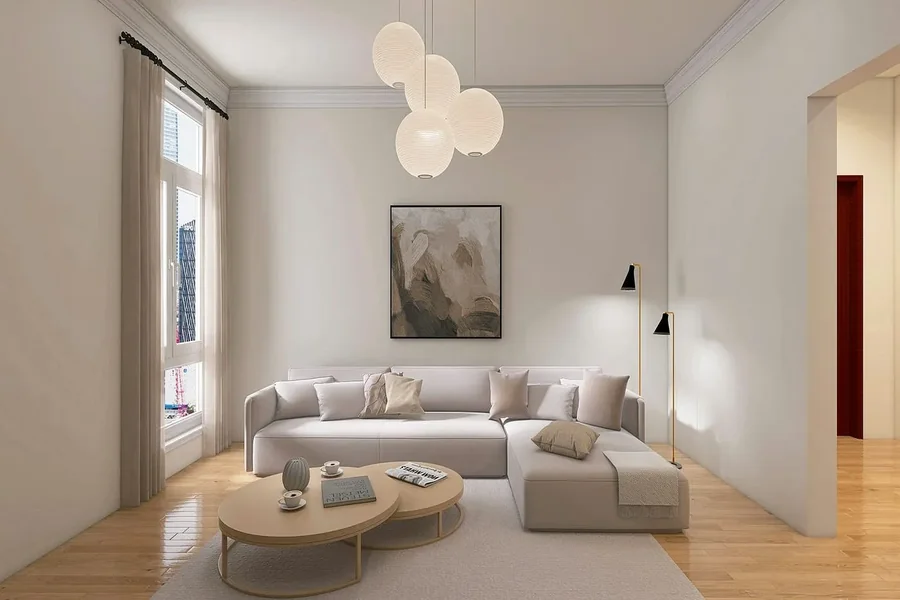
In a world full of options, we face a recurring tension: how to fill our free hours. One approach revolves around doing less, owning less, and seeking calm. The other emphasizes doing more, accumulating experiences, and embracing bold variety. You might also be tempted to click here to track live events and spontaneous diversion, which illustrates how some people leap straight into maximalist leisure. This article explores how minimalism and maximalism frame our free time, why each is appealing, and what the struggle between them reveals about modern life.
The Minimalist Turn in Free Time
Minimalism in leisure is more than a fad. It represents a conscious choice to reduce clutter, simplify activities, and focus on what matters. In free time terms, this might mean dedicating a fixed portion of each day to reading, walking, or being with friends—and consciously saying no to endless options. The minimalist leisure ethic values depth over breadth, calm over chaos, and meaningful over trendy.
One reason this approach resonates today is burnout. Many people feel pressured by hyper-connected lives, continuous notifications, and social demands. Free time becomes yet another arena of busy-ness rather than a chance to rest. Minimalist leisure offers an antidote: say fewer yeses, pick fewer activities, hold fewer commitments, and reclaim space. It shifts the aim from doing many things well to doing fewer things well.
However, minimalist free time is not without trade-offs. By narrowing the range of activities, some novelty is lost. When you commit to a small set of practices, you risk monotony or the feeling of missing out on what’s happening elsewhere. The minimalist approach may appear restrained or even reserved compared to more showy styles of leisure. But the core appeal is quality over quantity and conscious choice over reactive habits.
The Maximalist Countermove: More, Bigger, Brighter
On the flip side, maximalism in free time celebrates abundance, variety, and spectacle. It embraces a full calendar, multiple hobbies, travel, streaming, festival attendance, gadget tweaks, and social media curation of every moment. The maximalist leisure ethic values breadth, intensity, novelty, and being at the center of the action.
For many, maximalist leisure seems natural. When the world offers a near-infinite number of entertainment options, social possibilities, and experiences, why limit yourself? Maximalism taps into FOMO (fear of missing out) and the desire to squeeze every drop of experience from our discretionary hours. It’s about accumulation of moments, snapshots, achievements, and verifying one’s life is full.
This approach also has risks. The constant push for more can lead to shallow engagements rather than genuine fulfillment. The attention is spread thin across many activities rather than concentrated. Free time can become just another busy zone. People might feel exhausted even in their downtime, and the novelty treadmill may leave a sense of emptiness. When every hour is booked, there’s no room for reflection or slowdown.
The Battle Between Them: How Do We Choose?
Why do some people lean minimalist and others maximalist in how they spend free time? The answer lies partly in personality, partly in culture, and partly in the way we are shaped by technology and society.
First, personality matters. Some people are naturally drawn to quiet, selective, and meaningful practices; others flourish on variety, energy, and being surrounded by stimulus. Your temperament will tilt you toward one style or the other. But external factors also play a big role.
Technology has multiplied choices and lowered friction. Streaming services, social platforms, endless event listings, and easy travel make maximalist leisure more accessible. On the flip side, awareness of its downsides—stress, distraction, shallow satisfaction—has pushed others toward minimalism.
Cultural narratives also matter. In some circles, the badge of honor is doing everything, being everywhere, maximizing every moment. In others, the badge of honor is owning less, choosing deliberately, being present rather than visible. These narratives guide our expectations of what free time should look like.
Then there is context: age, stage of life, and financial resources. Younger people might be drawn toward maximalism—more energy, fewer responsibilities, shorter commitments. As obligations increase, many shift toward minimalism to preserve their sanity. Conversely, some who have saved time or money may embrace maximalist experiences as a reward.
Can They Coexist? Finding a Balance
The notion of “the battle” suggests a zero-sum game, but the reality may be that minimalism and maximalism can coexist in a productive tension. The key is not to abandon one entirely but to integrate both in a way that suits one’s needs.
One strategy is to alternate: devote certain blocks of free time to minimalist practices (reading, meditating, walking) and other blocks to maximalist pursuits (attending an event, exploring a city, experimenting with a hobby). This alternating approach acknowledges that both depth and variety have value.
Another strategy is to embed maximalist experiences inside a minimalist framework. For example, you might decide to take one major trip per year (maximalist) while spending the rest of your time in simpler, slower ways. The minimalist anchor provides grounding; the maximalist spur provides excitement.
A third strategy is to be selective about maximalism: rather than saying yes to everything, choose those maximalist experiences that align with deeper values or long-term enjoyment. This blend reduces the risk of superficiality and aligns with the minimalist ethos of meaning.
What This Struggle Reflects About Society
The tension between minimalism and maximalism in free time reflects broader shifts in society. One is the expansion of choice. With more time, money, and options than previous generations, people must make more decisions about how they spend their free hours. This abundance can be liberating but also burdensome. The paradox of choice can mean that having every option makes choosing harder and less satisfying.
Another reflection is on identity. Leisure is a sphere where people express who they are—or want to be. Minimalist leisure expresses calm, focus, authenticity. Maximalist leisure expresses boldness, achievement, variety. When we debate how to spend free time, we are also debating who we are and who we wish to become.
Technology plays a role in accelerating this battle. It not only increases options but also introduces new metrics: likes, shares, follower counts. Maximalist leisure often plays to these metrics; minimalist leisure may resist them. Thus, the stakes are higher: free time is no longer just rest—it can also be performance and display.
Finally, the struggle hints at meaning in modern life. When work and productivity dominate, free time becomes more precious. Some respond by maximizing every minute; others respond by protecting it, simplifying it. The way we choose to fill our free hours reveals our hopes for rest, creativity, connection, and purpose.
Conclusion
When minimalism meets maximalism in the realm of free time, we are witnessing two different answers to the same question: how should we live when we’re not working? Minimalism says: slow down, do less, focus. Maximalism says: seize more, do more, experience more. The battle between them is not purely theoretical—it plays out in our daily decisions, our calendars, our restlessness, and our fulfillment.
The healthiest path may not be choosing one side permanently, but learning to navigate between them: combining depth and variety, calm and boldness, reflection and action. In doing so, we can craft a free time regime that reflects who we are, what we value, and how we want to live—not just what the marketplace or the feed tells us. The key is to treat free time as more than free—it’s a space for renewal, expression, and ultimately, meaning.