How to Maintain Visa Status While Studying in the U.S.
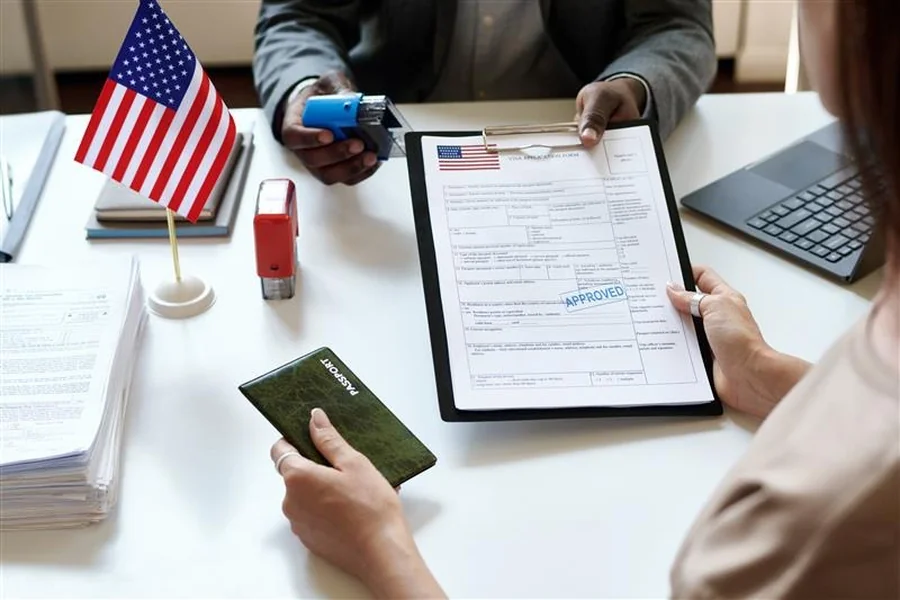
Studying in the United States offers an exciting opportunity for international students, but maintaining proper visa status is essential for ensuring your stay is legal, stress-free, and successful. Violating the conditions of your student visa can lead to serious consequences, including the risk of deportation or being barred from re-entering the country. Therefore, understanding the rules and responsibilities tied to your student visa is crucial for making the most of your academic experience in the U.S.
This article provides a comprehensive guide on how to maintain your visa status while studying in the U.S., covering important topics like visa requirements, employment rules, travel guidelines, and reporting obligations. Whether you’re an F-1 visa holder or on another student visa, following these guidelines will help you stay compliant and avoid complications. For research work, use usaenlinea .com.
1. Understanding Your Student Visa
Most international students come to the U.S. on an F-1 visa, though there are other types such as J-1 (Exchange Visitor visa) and M-1 (Vocational Student visa). Each visa type has specific requirements, but they all share similar conditions regarding study full-time, work restrictions, and maintaining status.
1.1 F-1 Visa Requirements
The F-1 visa is the most common student visa for academic students enrolled in a U.S. college or university. Some of the key requirements for maintaining your F-1 visa status include:
- Full-Time Enrollment: You must maintain a full-time course load during the academic year. Full-time typically means at least 12 credit hours per semester for undergraduate students and 9 credit hours per semester for graduate students.
- Coursework: You are required to engage only in courses that are considered academic or related to your degree. Non-degree programs or part-time enrollment can jeopardize your visa status.
- Valid I-20 Form: The Form I-20, which is issued by your school, must remain up to date. This form proves that you are enrolled in a full-time academic program. The school must also report changes in your enrollment status to the U.S. government’s Student and Exchange Visitor Information System (SEVIS).
1.2 J-1 and M-1 Visas
The J-1 visa is typically used for students participating in exchange programs, while the M-1 visa is for students in vocational or technical programs. The rules for maintaining these visas are similar to the F-1, with distinctions based on the type of program.
- J-1 Visa: Exchange visitors on a J-1 visa are required to maintain full-time enrollment and report any changes to their program or institution. Additionally, J-1 visa holders may be required to return to their home country for a set period (known as the two-year home-country requirement) before applying for certain U.S. visas or permanent residency.
- M-1 Visa: M-1 students must also maintain full-time enrollment but can only study at designated vocational schools. This visa does not allow students to work while studying.
2. Maintain Full-Time Enrollment
One of the most important aspects of maintaining your visa status while studying in the U.S. is ensuring you are enrolled full-time throughout your academic program.
2.1 What Does Full-Time Enrollment Mean?
Full-time enrollment generally refers to a minimum number of credit hours you must take each semester. For undergraduate students, this usually means 12 credit hours per semester, while for graduate students, it’s often 9 credit hours. Be sure to check with your school’s International Student Office for specific requirements as these can vary by institution.
2.2 Dealing with Part-Time Enrollment
If you ever need to drop below full-time enrollment due to academic, medical, or personal reasons, it’s crucial that you first get approval from your Designated School Official (DSO). Dropping classes without permission can lead to visa violations.
- Medical Reasons: If you’re unable to maintain full-time enrollment due to illness or health issues, you may be eligible for a temporary reduction in your course load. Your school’s International Student Office can provide guidance on obtaining authorization for part-time enrollment under these circumstances.
3. Maintain Valid I-20 or DS-2019 Form
For students on an F-1 or J-1 visa, it’s essential to ensure that your Form I-20 (for F-1 students) or DS-2019 (for J-1 students) is kept current throughout your studies.
3.1 What is the Form I-20/DS-2019?
The I-20 or DS-2019 forms are issued by your school once you are admitted. They confirm that you are enrolled in a program that qualifies for a student visa. These forms must reflect your correct program of study, estimated completion date, and personal details.
- Changes in Program or Personal Information: If you change your academic program, level of study, or address, your school’s International Student Office must update your I-20 or DS-2019.
- Expiration: You must keep track of your visa’s expiration date. If you plan to extend your stay or continue studying beyond the program’s end date, you must request a new I-20 or DS-2019 before the expiration date.
4. Follow Employment Regulations
Student visas come with strict work restrictions. While it’s possible to work while studying in the U.S., there are guidelines that you must follow to maintain your visa status.
4.1 On-Campus Employment
F-1 visa holders are permitted to work on-campus without special authorization, provided that they are in valid status and enrolled full-time. On-campus jobs can include positions in campus libraries, dining halls, or research assistantships.
- Hours: During the academic semester, F-1 students are generally limited to working 20 hours per week. During school breaks (summer, winter, etc.), you may work full-time, meaning up to 40 hours per week.
- No Off-Campus Employment Without Authorization: Unless specifically authorized, F-1 students cannot work off-campus during the first academic year. After your first year, you may be eligible for off-campus employment, such as Optional Practical Training (OPT) or Curricular Practical Training (CPT).
4.2 Off-Campus Employment
If you wish to work off-campus during your studies, you must receive prior approval from your school’s Designated School Official (DSO) and, in many cases, U.S. Citizenship and Immigration Services (USCIS).
- OPT (Optional Practical Training): OPT allows F-1 students to work in a job related to their field of study for up to 12 months after graduation. Students in STEM (Science, Technology, Engineering, Mathematics) fields can extend OPT for an additional 24 months.
- CPT (Curricular Practical Training): CPT is available for F-1 students who want to engage in internships, co-op programs, or work that is integral to their academic program. This can be part-time during the semester or full-time during breaks.
4.3 J-1 Visa Work Authorization
J-1 students can also apply for work authorization. Some exchange visitors are eligible for work through Academic Training (AT), which allows J-1 students to work in their field of study after completing their academic program.
- AT Duration: J-1 students can work up to 18 months in the U.S., with some fields eligible for up to 36 months of training (e.g., for STEM students).
5. Travel Guidelines and Re-entry Rules
Traveling while on a student visa requires careful planning to ensure that you maintain your visa status. There are specific rules for leaving and re-entering the U.S. as a student.
5.1 Traveling Outside the U.S.
Before traveling internationally, ensure that your I-20 or DS-2019 form is signed by your DSO. This is necessary for re-entering the U.S. after you’ve been abroad.
- Travel Signatures: You should get a travel signature from your DSO on your I-20 if you plan to leave the U.S. for more than five months. This signature confirms that you are maintaining your student status.
- Visa Stamping: If your visa has expired, you may need to renew your visa at a U.S. consulate or embassy in your home country before you can return.
5.2 Maintain Your Visa While Traveling
If you plan to travel outside the U.S., be sure to have the correct documents and understand the re-entry procedures. If your visa is expired, you will need to schedule an appointment with the U.S. consulate or embassy in your home country for a new visa.
- Re-entry: When re-entering the U.S., you must have an up-to-date I-20 or DS-2019, a valid visa stamp, and your passport. The U.S. Customs and Border Protection (CBP) officer will inspect these documents upon your arrival.
6. Report Changes in Status
As an international student, you are required to report changes to your personal, academic, or immigration status. Failure to do so could lead to violations of your visa status.
6.1 Reporting Changes to Your DSO
If you change your address, major, academic program, or decide to take a leave of absence, it’s crucial to inform your Designated School Official (DSO) as soon as possible. They will update your SEVIS record and help you remain in compliance with U.S. immigration laws.
6.2 Maintain Valid Passport
Make sure that your passport is valid at all times. Your passport must be valid for at least six months beyond your intended stay in the U.S.
- Tip: If your passport is close to expiring, contact your embassy or consulate for instructions on renewing it.
7. Stay Informed and Ask for Help
Maintaining visa status is a responsibility, and being informed is key to avoiding mistakes. Here are some helpful tips:
7.1 Visit Your International Student Office
Your university’s International Student Office (ISO) is a valuable resource for understanding U.S. immigration laws, student visa regulations, and campus resources. They can help clarify questions about maintaining visa status, applying for work, and traveling.
7.2 Stay Updated on Immigration Policies
U.S. immigration policies can change, so it’s important to stay updated on any rules that may affect your status. Your school’s ISO will usually notify students of important changes, but also check the official U.S. Department of Homeland Security (DHS) and U.S. Citizenship and Immigration Services (USCIS) websites.
8. Conclusion
Maintaining your student visa status is a critical part of your experience studying in the U.S. By following the rules for enrollment, employment, travel, and reporting changes, you can ensure that your time in the U.S. is both successful and stress-free. Make use of the resources provided by your school’s International Student Office, stay organized, and stay proactive about keeping your visa status intact. By doing so, you can fully embrace all that studying in the U.S. has to offer.