How Rto Vehicle Registration Data is Updated in India & What It Means for Buyers
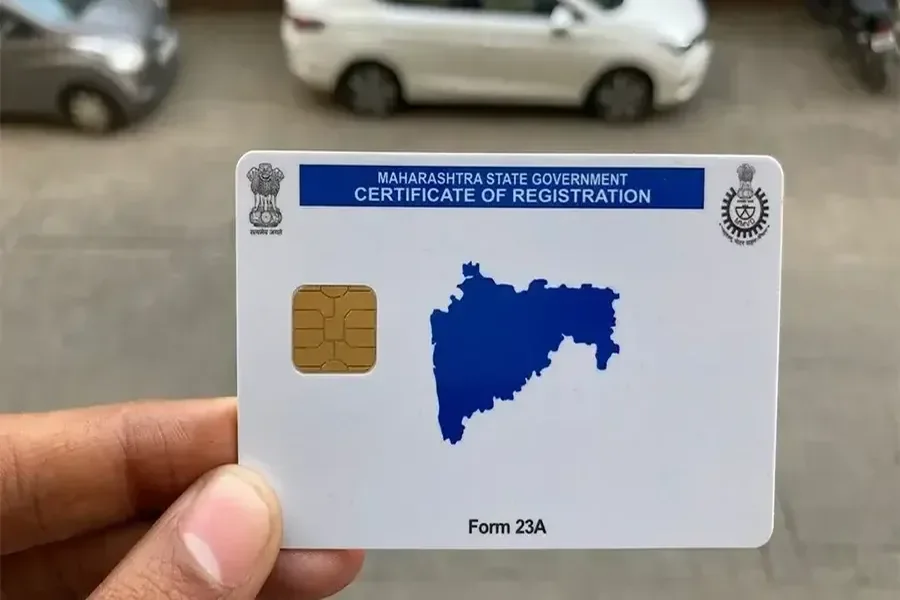
Buying a car in India, especially a used one, is a big decision. Many buyers focus on price, condition, and mileage, but often ignore one critical thing: RTO vehicle registration data. This data tells the real story of a vehicle and helps buyers avoid legal and financial trouble.
In this article, we’ll explain how RTO vehicle registration data is updated in India, who updates it, and why every buyer should understand it before making a purchase.
What is RTO vehicle registration data?
RTO vehicle registration data is the official record of a vehicle maintained by the Regional Transport Office (RTO). It is created when a vehicle is first registered and is updated throughout the vehicle’s life.
This data includes:
- Vehicle registration number
- Owner’s name
- Vehicle make, model, and fuel type
- Registration date and RTO code
- RC (Registration Certificate) status
- Loan or hypothecation details
- Ownership transfer history
This information is stored in government databases and linked to the vehicle’s RC. Buyers use this data to confirm whether the vehicle is legally registered and safe to purchase.
How RTO vehicle registration data is created and updated
RTO vehicle registration data is not static. It changes whenever there is a legal update related to the vehicle. These updates are done through official RTO processes.
Here are the most common situations where RTO data is updated:
- New Vehicle Registration
When a new vehicle is purchased, the dealer submits documents to the RTO. Once approved, the RTO creates the initial registration record.
- Ownership Transfer
When a used vehicle is sold, the new owner must apply for ownership transfer. After verification, the RTO updates the owner’s name in the registration data.
- Address or Personal Detail Changes
If the owner changes address or corrects personal details, the RTO updates the registration record.
- Loan or Hypothecation Updates
When a car is bought on loan, hypothecation is added to the RC. Once the loan is closed, the RTO updates the data to remove it.
- Re-registration or State Transfer
If a vehicle moves to another state, the RTO updates the registration details after re-registration.
Each update requires proper documents and verification before it reflects in the RTO vehicle registration data.
How long does it take for RTO data to update?
RTO updates are not instant. The time taken depends on the type of update and the RTO office.
Here’s a general idea:
- New registration: 7–15 working days
- Ownership transfer: 15–30 days
- Loan closure update: 10–20 days
- Address correction: 7–14 days
During this time, buyers may see outdated information when checking RTO vehicle registration data online. This is why buyers should always confirm whether an update request is still under process.
Why RTO vehicle registration data matters for buyers
For buyers, RTO vehicle registration data is more than just information — it is protection.
Here’s why it matters:
- Confirms Legal Ownership
The data shows who legally owns the vehicle. If the seller’s name does not match the RC, it could mean incomplete transfer or fraud.
- Reveals Loan or Hypothecation
Many buyers unknowingly purchase cars that still have active loans. RTO data clearly shows hypothecation status, helping buyers avoid legal disputes.
- Helps Detect Stolen or Illegal Vehicles
Incorrect or missing registration data is a red flag. Proper RTO records reduce the risk of buying stolen or illegally registered vehicles.
- Prevents Future Legal Issues
Traffic fines, tax issues, or legal notices go to the registered owner. Accurate RTO data ensures these problems don’t come back to you later.
- Impacts Resale Value
Vehicles with clean and updated registration records are easier to resell and often get better prices.
Common problems buyers face with RTO data
Even though RTO vehicle registration data is official, buyers can still face issues if they don’t verify it properly.
Some common problems include:
- Ownership not transferred after sale
- Loan marked active even after closure
- Wrong engine or chassis number
- Vehicle registered in a different state
- Duplicate or fake RC documents
These problems usually happen when buyers trust sellers blindly or skip proper verification.
What happens if RTO vehicle registration data is not updated?
If RTO vehicle registration data is not updated on time, it can create serious problems for buyers. Even if you have paid for the vehicle, the law still recognizes the person whose name appears in the RTO records as the owner.
One major issue is legal responsibility. Traffic fines, accidents, or legal notices will go to the registered owner. If the ownership transfer is incomplete, you may face problems proving that the vehicle belongs to you.
Another common problem is loan and insurance trouble. If hypothecation is not removed from the RTO records, banks can claim rights over the vehicle. Insurance companies may also reject claims if ownership details do not match.
Not updated RTO data can also cause resale difficulties. Buyers avoid vehicles with unclear records, and RTO offices may block future transfers until errors are fixed.
This is why buyers should always ensure that RTO vehicle registration data is fully updated before and after purchasing a vehicle. Keeping records accurate protects you from legal, financial, and ownership-related risks.
What buyers should check before purchasing a vehicle
Before buying any vehicle, especially a used one, buyers should carefully review the RTO vehicle registration data and also check the complete car history.
Here’s a simple checklist:
- Match RC owner name with seller
- Check registration date and RTO code
- Verify hypothecation status
- Confirm vehicle details (model, fuel type)
- Review ownership history
- Look for pending updates or inconsistencies
Doing this before payment can save buyers from serious trouble later.
How buyers can use RTO data to make smarter decisions
Today, buyers can access RTO vehicle registration data online through official portals or trusted vehicle information platforms. These tools help buyers quickly check records without visiting an RTO office.
Smart buyers use RTO data to:
- Compare seller claims with official records
- Negotiate price if issues are found
- Walk away from risky deals
- Ensure smooth ownership transfer
In short, RTO data gives buyers clarity and confidence.
Final thoughts
Understanding how RTO vehicle registration data is updated in India helps buyers make safer and smarter vehicle purchases. This data reflects a vehicle’s legal history and protects buyers from fraud, hidden loans, and future legal problems.
Whether you’re buying your first car or upgrading to a used one, always verify the RTO registration details before finalizing the deal. A few minutes of checking can save you years of stress.