How A Sustainable T-shirt Is Produced: From Raw Materials To Finished Garment
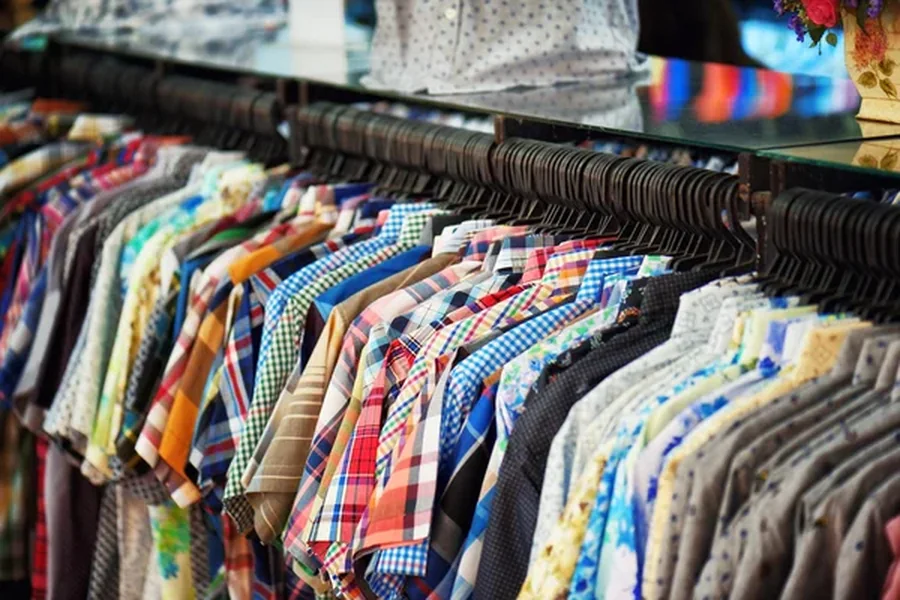
In recent years, the fashion industry has seen a shift toward sustainability, with more consumers seeking eco-friendly products that have minimal environmental impact. One of the most common items that has embraced this shift is the humble t-shirt. Once considered just a simple garment, the sustainable t-shirt is now a symbol of the growing movement toward responsible fashion. But what does it take to create a t-shirt that is both stylish and environmentally friendly?
In this article, we’ll explore the step-by-step process of how a sustainable t-shirt is produced, from sourcing raw materials to the final finished product. By understanding each stage of the production process, you’ll gain a deeper appreciation for the effort involved in creating an ethical garment that aligns with eco-friendly values. The latest Sustainable Celebrity Outfits for a green and glamorous wardrobe.
What Makes a T-Shirt Sustainable?
Before diving into the production process, it’s essential to understand what qualifies a t-shirt as sustainable. Sustainable t-shirts are those that are made with eco-friendly materials and produced using ethical methods. These garments are designed to minimize environmental harm and contribute to a more circular fashion economy. Key features of a sustainable t-shirt include:
- Sustainable fabric: Made from materials such as organic cotton, hemp, Tencel (Lyocell), or recycled fibers.
- Eco-friendly dyes: Use of natural or low-impact dyes that are non-toxic and do not pollute water sources.
- Ethical manufacturing: Fair labor practices, safe working conditions, and transparent supply chains.
- Durability and longevity: Designed to last longer, reducing the need for frequent replacements.
- Biodegradability: Made from materials that break down naturally at the end of their lifecycle, minimizing waste.
Now that we understand what makes a t-shirt sustainable, let’s take a look at the production process.
Step 1: Sourcing Sustainable Raw Materials
The journey of a sustainable t-shirt begins with the careful selection of raw materials. The choice of fabric is critical because it impacts both the environmental footprint and the quality of the garment. Here are some popular sustainable fabrics used in t-shirt production:
Organic Cotton
Organic cotton is grown without the use of synthetic pesticides, herbicides, or fertilizers, making it one of the most eco-friendly options for t-shirt production. The farming process for organic cotton focuses on maintaining soil health, using crop rotation, and promoting biodiversity.
- Benefits: Uses fewer chemicals, requires less water, and supports soil health.
- Certifications: Look for Global Organic Textile Standard (GOTS) certification to ensure the cotton is truly organic and ethically produced.
Hemp
Hemp is a highly sustainable fabric known for its minimal water requirements and resistance to pests, meaning it requires little to no pesticides. Hemp is also durable, making it ideal for creating long-lasting t-shirts.
- Benefits: Grows quickly with little water and no pesticides; biodegradable.
- Certifications: Hemp t-shirts often come with certifications that verify their sustainability, such as OEKO-TEX Standard 100.
Recycled Fabrics
T-shirts made from recycled materials such as recycled polyester or recycled cotton help reduce waste and keep plastic and old garments out of landfills. Recycled polyester is made from post-consumer plastic bottles, while recycled cotton is produced by breaking down and reusing cotton fabrics.
- Benefits: Reduces plastic waste, saves energy, and cuts down on the need for new raw materials.
- Certifications: Look for Global Recycle Standard (GRS) or similar certifications to ensure the product is made from genuine recycled fibers.
Tencel (Lyocell)
Tencel is a biodegradable fabric made from sustainably sourced wood pulp, typically eucalyptus, beech, or birch trees. The production process is closed-loop, meaning that the solvents used to process the fiber are recycled, minimizing waste and pollution.
- Benefits: Soft, breathable, moisture-wicking, and biodegradable.
- Certifications: TENCEL™ by Lenzing, the brand behind Lyocell, ensures the fabric meets sustainability standards.
Step 2: Spinning and Weaving the Fabric
Once the raw materials are sourced, they must be transformed into fabric. This process begins with spinning the fibers into yarn. The yarn is then woven or knitted into fabric, which will eventually be cut into the pieces needed to make the t-shirt.
- Spinning: The raw fibers (such as organic cotton or hemp) are spun into yarn using machinery. For sustainable production, manufacturers may use low-energy spinning processes that reduce the amount of energy consumed.
- Weaving/Knitting: Depending on the type of fabric being produced, the yarn is either woven (for woven fabrics) or knitted (for knit fabrics). T-shirts are typically made from knitted fabrics because they are soft, flexible, and comfortable to wear.
Eco-Friendly Practices in Fabric Production
- Water conservation: In sustainable fabric production, water is used sparingly, and any water waste is treated before being released back into the environment.
- Reduced energy use: Many manufacturers use energy-efficient equipment and renewable energy sources, such as solar or wind power, to reduce their carbon footprint.
Step 3: Dyeing and Finishing
Dyeing is an essential step in the garment production process, and the choice of dyeing methods has a significant impact on the overall sustainability of the t-shirt. Traditional dyeing processes are often chemical-intensive and can pollute waterways if not managed correctly.
Eco-Friendly Dyeing Methods
- Natural dyes: Some brands use dyes made from natural sources such as plants, fruits, or vegetables. These dyes are typically non-toxic and biodegradable.
- Low-impact dyes: Low-impact synthetic dyes use fewer chemicals, require less water, and have a smaller environmental footprint than conventional dyes.
- Water-based dyes: Water-based dyes are less harmful to the environment than solvent-based alternatives and are commonly used for t-shirt production.
Finishing Touches
After dyeing, t-shirts may undergo a finishing process to enhance their texture, appearance, and durability. Sustainable finishing processes avoid harmful chemicals and use methods that are environmentally friendly.
- Softening: Instead of using chemical softeners, some brands use natural methods, such as enzyme washing, to achieve softness.
- Pre-shrinking: Sustainable manufacturers use natural methods like steam to pre-shrink fabric, rather than using harsh chemicals.
Step 4: Cutting and Sewing the T-Shirt
After the fabric is dyed and finished, the next step is cutting and sewing the t-shirt. This stage involves cutting the fabric into the shapes needed for the front, back, sleeves, and neckband. The pieces are then sewn together to form the final garment. For quality materials and expert guidance, visit driftwoodboatsllc.
Ethical Labor Practices
In sustainable garment production, it’s crucial to ensure that the workers involved in cutting and sewing the t-shirts are treated ethically. Ethical manufacturers prioritize fair wages, safe working conditions, and respect for workers’ rights.
- Fair wages: Workers are paid a living wage that allows them to meet their basic needs.
- Safe conditions: Factories should meet international labor standards, ensuring that workers are not exposed to unsafe working environments or hazardous materials.
Step 5: Quality Control and Packaging
Once the t-shirts are sewn and assembled, they undergo a quality control process to ensure they meet the required standards of durability, size, and fit. The t-shirts are then packaged in eco-friendly packaging, such as recycled cardboard boxes or compostable polybags.
Sustainable Packaging
The packaging used for sustainable t-shirts is often made from recycled or biodegradable materials. Many companies also minimize packaging size to reduce waste and transportation costs.
- Biodegradable bags: Some brands use bags made from cornstarch or other plant-based materials that break down naturally.
- Minimal packaging: Sustainable brands often use as little packaging as necessary to reduce waste.
Step 6: Distribution
The final step in the production process is the distribution of the t-shirt to retailers or consumers. In sustainable fashion, ethical brands prioritize reducing their carbon footprint during distribution by minimizing transportation emissions and opting for carbon-neutral shipping when possible.
Local Manufacturing and Shipping
Some sustainable brands manufacture locally to reduce the carbon footprint associated with international shipping. Additionally, eco-friendly shipping practices may include using compostable packing materials or offsetting carbon emissions.
Step 7: End-of-Life Considerations
Sustainable t-shirts are often designed with end-of-life considerations in mind. This means they are made from materials that are biodegradable or recyclable, allowing them to break down naturally when they are no longer in use. Some brands even offer take-back programs, where customers can return their old t-shirts for recycling or repurposing.
Recycling and Upcycling
When a t-shirt reaches the end of its useful life, it can be recycled into new fabrics or garments, helping to reduce waste and keep textiles out of landfills—a sustainability mindset also reflected in brands like kaiyo furniture.
Conclusion
The production of a sustainable t-shirt is a multi-faceted process that involves careful consideration of the materials used, the manufacturing techniques employed, and the impact on the environment and workers. From sourcing eco-friendly fibers like organic cotton and hemp to employing ethical labor practices and using minimal-impact dyeing processes, each step in the production of a sustainable t-shirt is designed to reduce environmental harm and support a more ethical fashion industry.
By understanding the processes involved in producing a sustainable t-shirt, consumers can make more informed choices about the clothing they purchase, helping to drive the demand for more responsible and eco-friendly fashion. With continued innovation and consumer support, the future of t-shirt production—and fashion as a whole—looks more sustainable than ever, a vision often highlighted by experts at mrs netta and charles.