Can Acne Heal Naturally or Does It Require Treatment?
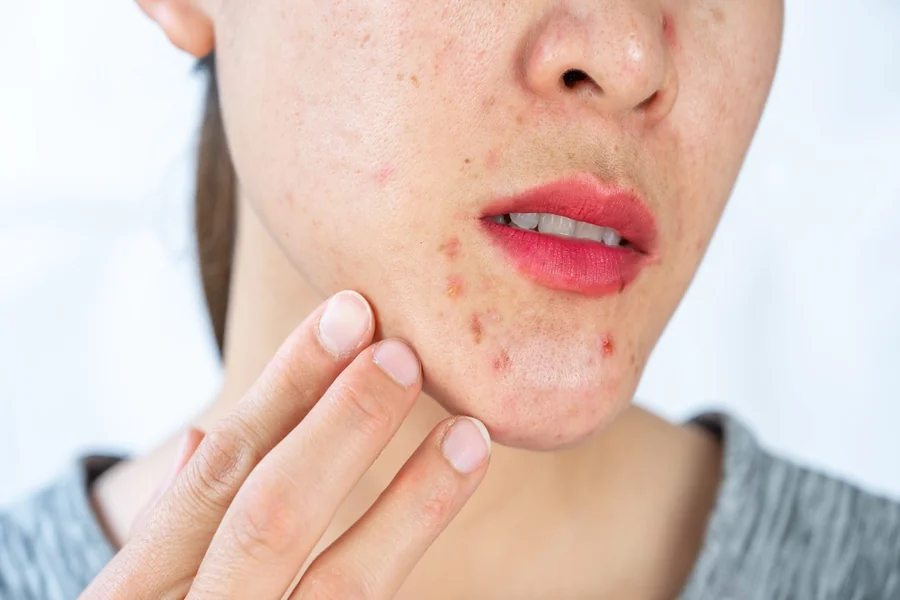
Adult acne is acne that continues way beyond adolescence or starts later in life, typically after your teenage years. Around half of women in their 20s, a third in their 30s, and a quarter in their 40s still deal with acne.
In men, too, acne affects about 40 % but figures do vary depending on the study. Follow this link to read more: https://onefaceclinic.com/the-attack-of-adult-acne-im-already-in-my-30s-and-40s-why-do-i-still-have-troubling-active-acne-on-my-face/.
Adult acne often persists because of hormone shifts especially in women. Things like your period, pregnancy or the change of menopause can trigger oil overproduction and clogged pores.
Add to that stress which boosts androgen activity and acne flare-ups. Your genes may also influence your risks of developing adult acne.
For example, if your parents had adult acne, you’re more likely to get it, since genetics influence oil production and inflammation. Some skincare or makeup can make it worse, unless they’re labelled non-comedogenic.
So, is it Normal to Still have Acne as an Adult?
Many people believe that acne only happens in your teenage years. So if you’re getting it as an adult, one of the many questions that may bug you is; is it normal to still have acne as an adult?
The answer is yes, it’s perfectly normal to still have acne as an adult. In fact, a large share of adults experience breakouts well beyond their teens. According to this study about 51% of women aged 20–29 and 35% aged 30–39 reported ongoing acne but men had lower rates, though it still occurred.
Other data show that among adults over 25, roughly 54% of women and 40% of men report acne, with clinical levels recorded in 12% of women and 3% of men. That said, adult acne often presents differently.
It tends to be mild to moderate and stubborn with two types being common; the persistent acne that carries on from adolescence, and late-onset acne that appears after 25. It commonly shows up along the jawline, chin and lower face, and can include both inflamed bumps and comedones.
You should note that having adult acne doesn’t imply that you’re doing something wrong. It is common and some people even call it “second puberty.” It often comes from a mix of hormones, stress, lifestyle, skincare products and, for some, underlying health issues like PCOS.
It’s understandable that, by adulthood, acne feels out of place and oddly personal but you’re not alone. If you find it troublesome, consider seeing a skin doctor who specialises in adult acne treatment.
Can Adult Acne Disappear Naturally?
Adult acne can be frustrating. Before considering any treatment you may want to ask; can adult acne go away on its own? Here’s what your skin doctor will want you to know;
It depends. For many people, adult acne does ease off naturally over time but not always, and it varies from person to person. Acne often improves as you leave puberty behind which explains why many people see clearer skin by their early twenties.
Still, it can linger with studies showing that more than half of women and 40% of men older than 25 deal with acne. Even into your 30s and 40s, it may persist. Roughly a quarter of women aged 40–49 continue to get breakouts.
In some cases, acne does fade naturally. This is especially common with milder forms and once hormonal shifts settle down after menopause in women.
But if hormonal changes, stress, genetics or skincare practices are still stimulating breakouts, acne may linger or appear sporadically well into your 50s or beyond. If your acne is mild and your skin is less reactive, you might notice it improving without treatment.
For others especially where cystic or nodular acne is involved, the risk of scarring is high if left untreated. So even if it might clear naturally, waiting without a plan can mean scarring or prolonged frustration.
What Clears Up Adult Acne?
If you have decided to seek treatment for adult acne, you do not want to settle for anything average. So, it is relatable if the question on your mind right now is; what clears up adult acne?
There are several treatments that can be used for adult acne but it is worth noting that, every case is unique. So, the best treatment for you will depend on acne type whether it is mild, moderate, or severe, the lesion patterns, the location whether it is on your face or body, and your skin type, plus history of past treatments, and risk of scarring.
A good adult acne doctor will also consider hormonal factors, lifestyle, and how much acne affects you emotionally to tailor an effective treatment plan. Here are some of the treatments that clear up adult acne that you may be recommended;
- Topical retinoids (like adapalene, tretinoin, tazarotene): These vitamin A derivatives unclog pores, calm inflammation and help fade post-breakout marks. Adapalene, often available OTC, is more stable and less irritating and you can sometimes use it with benzoyl peroxide. It’s a first-line treatment that works over weeks.
- Benzoyl peroxide: This is an anti-bacterial and anti-comedone agent that kills acne-triggering bacteria without causing resistance. It breaks down clogs and lessens inflammation. You’ll often see it paired with a retinoid or antibiotic to boost effectiveness. Even low concentrations can do the job while easing the chance of irritation.
- Salicylic acid and azelaic acid: Salicylic acid exfoliates pores and eases whiteheads/blackheads by working as a gentle unclogger. Azelaic acid fights bacteria and inflammation and doubles as a spot-fade helper for dark marks. Both suit sensitive or combination skin and often feature in milder, maintenance routines.
- Oral antibiotics: For moderate to severe inflammatory acne, doctors may prescribe oral antibiotics like doxycycline or minocycline. These reduce bacteria and dampen inflammation. They’re used short-term (usually up to six months) and ideally combined with topical treatments to avoid bacterial resistance. You must complete your course to get pleasing results.
- Hormonal treatments (for women): Women with recurring hormonal acne may benefit from combined oral contraceptives (especially those with anti-androgenic progestins like drospirenone) or spironolactone. These reduce sebum production and often improve flare-ups around the jawline and chin.
- Oral isotretinoin: Now, this adult acne treatment is reserved for severe, nodular, scarring or treatment-resistant cases. It is a powerful drug that targets all levels of acne development to shrink oil glands, calm inflammation, and tackle bacteria. It is usually given in a 4–6 month course and demands close monitoring due to possible side-effects.
In Closing
Adult acne sometimes goes away naturally over time, usually as hormones settle and aging reduces oil production. But not always. If it sticks around, especially in moderate to severe forms, working with a dermatologist usually brings better results and sooner.
We understand how troublesome and frustrating adult acne can be. It is because of that reason that we offer tailored treatment programs for every case that is brought to us. Get in touch with our board-certified specialists for an assessment to find the best plan for you.