Is Your Roof Ready for Solar Power?
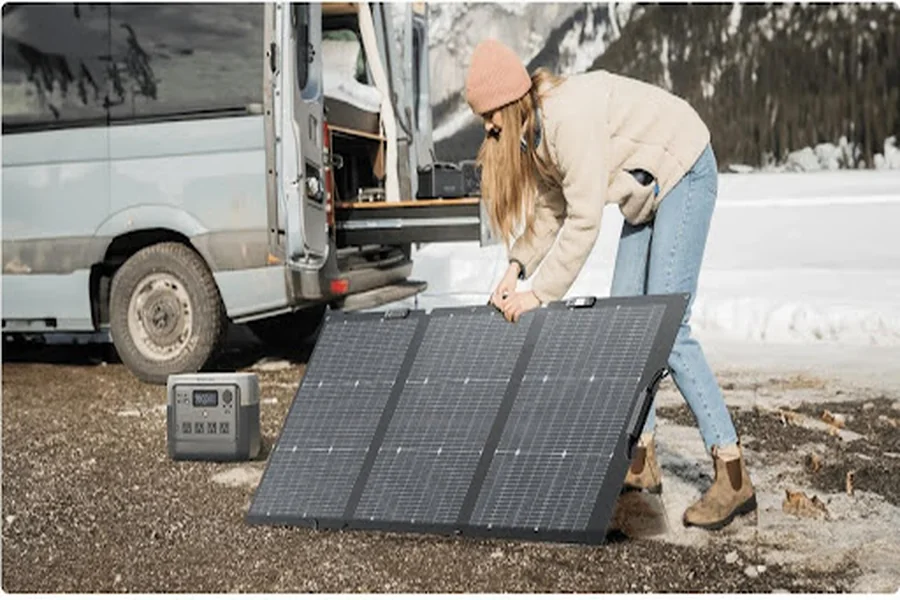
Installing solar panels may be a wise investment that lowers energy expenses and benefits the environment. However, before proceeding with solar installation, it is critical to assess whether your roof is ready for the setup. A proper roof guarantees that your solar system runs successfully for many years to come. The quality of your roof, the materials utilized, and its exposure to sunlight are all critical considerations. In this post, we’ll walk you through the processes to determine whether your roof is solar-ready and how to prepare it for a smooth installation.
How Do You Know If Your Roof Is Solar-Ready?
Age and Condition of Your Roof
The age of a roof has a big impact on whether or not solar panels can be installed on it. It could be necessary to replace your roof before adding solar panels if it is older than ten to fifteen years. Solar panel installation problems may arise from an aging roof’s susceptibility to leaks, deterioration, and damage. The roof’s condition is important, regardless of how old it is. Water damage, sagging, or cracked shingles might jeopardize the system’s structural soundness. The weight and long-term durability needed for solar panels may be too much for a roof in poor condition, necessitating repairs or replacement prior to installation.
Roofing Material and Type
The ease of solar panel installation and compatibility with solar systems are determined by the roofing material. Asphalt shingles are the most common material and work well with solar panels since they are lightweight and easy to install. Tile roofs, on the other hand, may need special mounting procedures to ensure a secure fit. Metal roofs, while durable, may need extra care during installation to avoid damage. Solar installation on wood and slate roofs is both unstable and costly. Knowledge of roofing materials is required for solar panel installation.
Sunlight Exposure and Shading
Solar panels function best on roofs that receive enough sunlight. A roof that receives steady direct sunlight generates the most energy. Shade from trees, tall buildings, and other objects can significantly reduce solar panel efficiency. Even moderate shade may waste power, particularly during peak hours. Solar contractors may assess your roof’s sunlight exposure to determine the optimal placement and configuration for energy production. Minimizing roof shadowing improves the efficiency of solar power systems.
What Roof Requirements Are Needed for Solar Panels?
Minimum Slope and Orientation
The roof should slope at least 15 degrees to maximize the effectiveness of solar panels. For solar panels, a slope enhances sunlight, particularly during the winter months when the sun is lower. South-facing rooftops in the Northern Hemisphere are ideal for solar panels since they receive the greatest sunlight. Installing solar panels on a steep roof is possible, but in order to optimize the amount of sunlight captured and the amount of energy produced, panel angles may need to be changed.
Weight Capacity and Structural Integrity
Although solar panels are rather light, the combined weight of several panels put on your roof may cause tension. To support this extra weight, a sturdy roof with enough structural integrity is required. Extra support may be required for older roofs to make sure the roof can handle the weight of the panels without deteriorating or drooping. A specialist doing a roof inspection will evaluate the roof’s rafters, framing, and general stability to ensure that it can sustain the solar panel system for the duration of its life without endangering the building.

Local Building Codes and HOA Rules
Before installing solar panels, you should examine local construction standards and HOA (Homeowners Association) restrictions that may affect your installation. Many localities have special laws for installing solar panels, such as setback limits, height limitations, and even aesthetic considerations. Some HOAs may require clearance before you can install solar panels, especially if your installation would change the appearance of the area. Consult with local authorities and your HOA to verify that your solar installation meets all legal standards and community norms, avoiding any delays or penalties.
How to Prepare Your Roof for a Solar Installation
Schedule a Professional Roof Inspection
The first step in getting your roof ready for solar installation is to arrange a professional roof inspection. A skilled roofer will inspect your roof for any flaws, leaks, or damage that may require repair prior to installation. The examination confirms that your roof is structurally solid and can accommodate solar panels for many years. If any problems are discovered, it is advisable to address them before starting the solar installation procedure, since fixes are quicker to do before the panels are installed than after.
Make Necessary Repairs or Upgrades
If the roof inspection reveals any problems, it is critical to perform the required repairs or upgrades to enhance the roof’s condition and prepare it for the solar panel installation. This might involve repairing broken shingles, strengthening the framework, or even replacing the roof if it is too old or insecure. Additionally, if your roof does not have the necessary slope or orientation for optimal solar panel performance, modifications may be required. Taking care of these repairs ensures that the installation will go smoothly and that the roof will last as long as your solar panels.
Consult a Certified Solar Installer
Once your roof is in good condition, engage a licensed solar contractor to design the installation. A licensed specialist will evaluate your roof’s structure, solar exposure, and other criteria to create a system that produces the maximum energy. They will also walk you through the permitting procedure and guarantee that the installation meets local rules. Working with an expert ensures that the solar panels are placed correctly, safely, and effectively, maximizing their effectiveness for years to come.
Conclusion
The age, condition, materials, and structural integrity of your roof must all be carefully considered in order to determine if it is suitable for solar power. Solar panel installation may be a simple operation if your roof satisfies the standards. If any problems are found, though, fixing them before installation is essential to guaranteeing the durability and effectiveness of your solar system. You can safely get your roof ready to capture solar energy and take advantage of sustainable power’s long-term advantages by hiring experts for inspections, repairs, and installation.