Teeth Gap Filling: What Are Your Options for Closing Those Spaces?
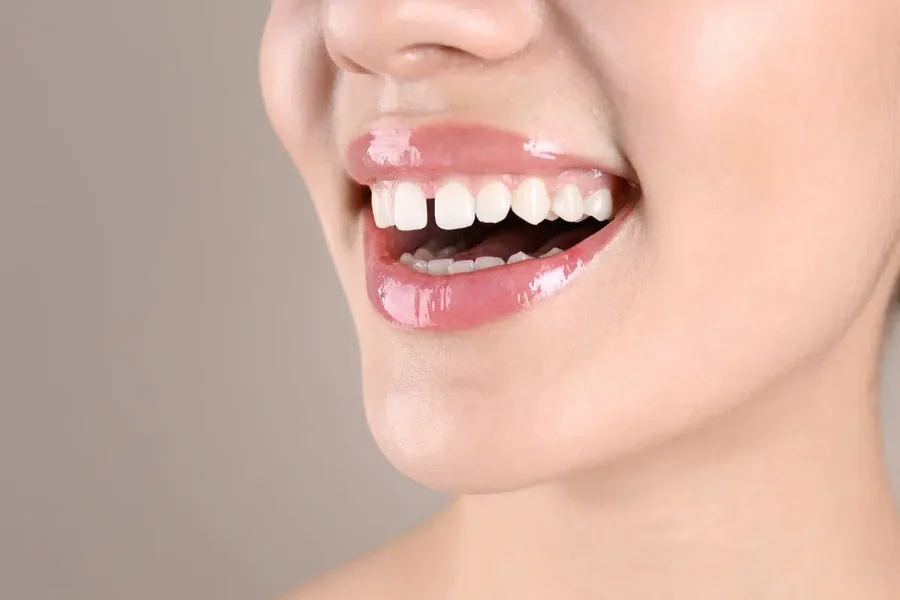
Got a gap between your teeth that has been bothering you? You are definitely not alone in that. Gaps or diastemas, if we are being all technical about it, are actually quite common. Many people at one point decide to get rid of them. Maybe, because it affects their confidence when they smile, or perhaps they are just curious about what could be done with their smile. Either way, teeth gap filling has come a long way over the years, and there are more options available now than there used to be. But if you need to fix a gap in your teeth, which one would be right for you? Well, that depends on quite a few things.
The thing is, not all gaps are the same. Some are these tiny little spaces you barely notice, others are way more obvious. And the treatment that works brilliantly for one person might not be the best choice for another. Let’s have a look at what options are available.
Dental Bonding: A Quick Fix for Teeth Gap Filling
This is probably one of the simpler options for teeth gap filling, and it is quite popular for that reason. Dental bonding involves using a tooth-coloured resin material to fill in the gap.
Your dentist basically sculpts this material onto your teeth to close the space, a bit like an artist working with clay, then hardens it with a special light.
The whole process is usually done in one appointment, which is quite convenient if you are not keen on traipsing back and forth to the dentist multiple times.
Bonding tends to work best for smaller gaps. If you have got a massive space between your front teeth, you know, the kind where you could practically fit another tooth in there, bonding might not look as natural as some alternatives. But for modest gaps, it can give pretty decent results.
The advantages? It’s relatively quick and typically less expensive than some other treatments. Your dentist can usually do it there and then, and you walk out with the gap closed. Job done.
The downside is that bonding material isn’t quite as tough or stain-resistant as your natural tooth enamel. It might chip if you are not careful, or pick up stains from coffee over time. It might need touching up after several years.
Porcelain Veneers: The Premium Route
Veneers are these thin shells of porcelain that get bonded to the front of your teeth. They are custom-made and can be designed to close gaps while also improving the overall appearance of your smile.
But it is also not uncommon for people to go for veneers on just the teeth with gaps, while others opt for a full set across their front teeth.
This usually requires a couple of appointments. In the first appointment, your teeth will be prepared, and impressions of your teeth will be taken. These teeth impressions will then be sent to a lab for the manufacture of your veneers. Then, at your next appointment, the permanent veneers get fitted and bonded in place.
Veneers can look incredibly natural when they are done well. Seriously, nobody would know they are not your real teeth. They are stain-resistant and quite durable, often lasting for many years. But they are not cheap, are they?
Let’s be honest here – they are generally one of the pricier options for teeth gap filling. And because some enamel needs to be removed, it’s not really reversible. Once you have got veneers, you will probably need to replace them eventually when they wear out.
Orthodontic Treatment: Actually Moving Your Teeth
Sometimes, the best treatment for a gap involves actually moving your teeth into the right position instead of just hiding the gap. Braces and aligners are best for this purpose. Rather than sticking material over the gap, orthodontic treatment physically shifts your teeth closer together over time.
Traditional metal braces can certainly do this, though many adults aren’t particularly enthusiastic about the idea of having a mouth full of metal brackets and wires. Clear aligners have become quite popular as an alternative. They are removable, virtually invisible, and can effectively close gaps in many cases.
The catch with orthodontic treatment is time. You are looking at several months at the very least, possibly over a year, depending on how much movement is needed. It requires commitment and patience. You also need to consider whether your gap is just cosmetic or whether there are underlying bite issues. The problem is, if your bite is not quite right, it may not be solved by simply closing the gap.
Nevertheless, one has to bear in mind that orthodontic treatment is about more than just closing the gap. With some people, the benefits of improved dental alignment are worth the additional time and effort involved.
Dental Implants: For Missing Teeth
Well, that’s not quite so bad. But then again, if you have a space due to the fact that you are missing a tooth altogether, rather than there just being space between two other teeth, an implant could perhaps solve your problem. This involves putting a titanium piece into your jawbone, which in turn supports a crown that looks like an actual tooth.
Implants are a big commitment, though. The process takes several months, and it is definitely one of the most expensive options on this list. But for missing teeth, implants are often considered the gold standard. They are permanent and can last for decades with proper care.
So What’s the Best Option for Teeth Gap Filling?
Honestly? It depends. Not the most helpful answer, I know, but it’s true. It seems that the particular circumstances of your case must be considered by our dentist, such as the size of the space, the condition of the teeth, the budget, the speed at which you want the results, and the presence of underlying problems.
Some people want the fastest solution and don’t mind if it needs maintenance eventually. Others prefer treatments that address the fundamental tooth positioning, even if it takes longer. There is no universally “best” option, just the best option for you and your particular circumstances.
If you are seriously considering teeth gap filling, probably the smartest first step is having a proper consultation with a dentist. They can have a good look at your teeth, discuss what is realistic for your case, and help you understand which options might actually work for what you are hoping to achieve.