A Quick Guide to Full Mouth Rehabilitation
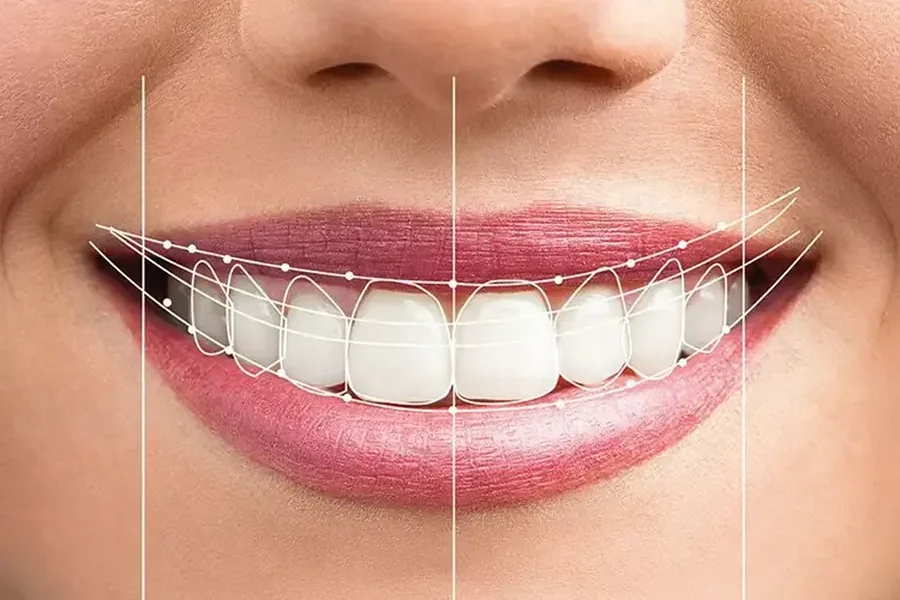
Teeth do much more than just look good. They help you eat comfortably, speak clearly, and feel confident in everyday life. When multiple teeth are damaged, missing, worn out or causing pain, even smiling can feel uncomfortable. Then your dentist will suggest full mouth rehabilitation.
It is a fully planned journey to restore your oral health, function, and confidence. Everything at the same time.
What is full mouth rehabilitation?
It is also known as full mouth reconstruction. Designed for patients who have many dental problems which affect most or all of their teeth. Instead of fixing one tooth at a time, this approach looks at the entire mouth as one unit. This includes teeth, gums, bite, jaw joints, and smile balance.
The goal is simple:
- Help you eat properly
- Relieves pain or discomfort
- Improves appearance
- Restores long-term oral health
Each treatment plan is personalised according to your problems. No two mouths and no two treatment journeys are the same.
Eligibility for a full mouth makeover?
You may benefit from full mouth rehabilitation if you experience:
- Multiple missing teeth
- Broken, chipped or severely worn teeth
- Long-standing tooth pain
- Difficulty in speaking or chewing food properly
- When teeth don’t fit properly on each other when you close your mouth
- Gum diseases that may loosen the teeth
- Old dental treatments that have failed
- Worn out teeth which cause sensitivity and pain
Many people have lived with these issues for years. They adjust their lives around it. Until one day when it becomes uncomfortable. This treatment helps address the root cause and not just the symptoms.
What treatments are included in FMR?
Full mouth rehabilitation is not a single procedure. It’s a combination of treatments. They are planned specifically according to your case. Depending on your needs, it may include:
1. Dental crowns
Crowns protect damaged teeth. They restore shape, strength, and appearance. Designed to look natural and function like real teeth.
2. Dental implants
Implants replace missing teeth permanently. They maintain the strength of the jawbone. They are stable and help you chew your food again.
3. Bridges or dentures
When implants are not suitable, then bridges or dentures can replace missing teeth.
4. Gum treatment
Gum therapy may be needed in some cases when there are overhanging or discoloured gums.
5. Bite correction
When you chew or close your mouth, your teeth should fit right into each other, and lips should close completely. When this bite is disturbed, there might be excessive tooth wear, crowding, or even gaps. This results in pain, headaches, and aesthetic issues. This is corrected by invisible braces or metal braces.
6. Root canal treatment
Infected or damaged teeth need to be repaired. To save them and relieve discomfort.
How is the treatment planned?
Planning is the most important part of full-mouth rehabilitation.
Your dentist will begin with:
- Oral examination
- X-rays or scans will be taken
This will help the dentist understand:
- The current situation of your teeth
- The stress triggers
- What needs to be repaired, replaced or protected
Therefore, the treatment is done in phases. This is done to make you comfortable.
How long does it take?
Since it involves multiple procedures, it takes several months. The exact timeline depends on:
- Number of treatments required
- Healing time between different procedures
- Oral health
While it may take time, results are meant to last many years.
Life after full mouth rehabilitation
Patients often report big changes in how they feel. After treatment they experience:
- Eating without discomfort
- Improved way of speaking
- Reduced jaw or tooth pain
- Improved confidence
- Better oral hygiene
When well-designed products are used, the treatment stands out. Like one lab that has always stood out globally for its products, is the Illusion Dental lab. They have a wide range of dental crowns based on the issue. They come with no-cost EMI options, making the crowns affordable.
Final thoughts
Full mouth rehabilitation is not about attaining perfection. It’s about restoring balance, comfort, and confidence. If you’ve been living with many dental issues or avoiding treatment because it feels overwhelming. Know this:
A step-by-step approach to the problem can bring back your smile and comfort. A healthy smile is not a luxury but a part of living well.